

Hair loss often feels scary, but most shedding follows a natural cycle. The word “effluvium” simply means an outflow or shedding of hair. Your scalp follicles do not grow hair all the time. Instead, they move through specific stages of growth and rest.
In a healthy scalp, about 80% of hairs are actively growing in the anagen phase. Around 5% of hairs are in the catagen phase, which is a short transition stage where the hair follicle shrinks and detaches from its blood supply, preparing to stop growing. The remaining 15% of hairs are in the telogen phase, where they rest before eventually shedding.
When this natural balance shifts and more hairs enter the resting phase at once, you may notice increased hair shedding in your brush or shower. Doctors refer to this type of hair-shedding imbalance as effluvium.
Most cases are fully reversible. The follicles are not dead; they are just resting longer than usual. Knowing the difference between these phases is the first step toward recovery. Understanding your hair cycle helps you stay calm while waiting for new growth.
- The definition of Telogen Effluvium
- Telogen Effluvium Symptoms: How to Identify Diffuse Shedding
- Telogen Effluvium Causes: From Physical Shock to Hormonal Shifts
- Telogen Effluvium Statistics: 2026 Data Insights
- Understanding Hair Shedding: Various Types of Effluvium
- Treatment & Recovery: How to Stop Telogen Effluvium
- The Telogen Effluvium Recovery Sign & Recognizing Progress
- FAQ About Telogen Effluvium and Other Effluviums
- Long-term Management and Patience in Hair Regrowth
The definition of Telogen Effluvium

Telogen effluvium is a common form of temporary hair loss. It happens when the hair growth cycle changes suddenly. This causes more hairs to enter a resting state. In a healthy scalp, most hairs are growing. This is the active stage.
In this condition, the number of growing hairs drops. More follicles move into the telogen, or resting, phase. When this shift occurs, you will see more shedding. It often looks like thinning across the whole scalp.
The good news is that the follicles stay alive. They are not permanently damaged or dead. They are simply taking a long break. Once the trigger stops, your hair can grow back.
This type of loss is almost always reversible. It just takes time for the cycle to reset. Knowing this helps you stay patient during recovery. Most people see their hair return to normal density within a year.
Telogen Effluvium Symptoms: How to Identify Diffuse Shedding
Telogen effluvium symptoms usually appear as a sudden thinning of hair. You may notice more hair on your brush or in the drain. This thinning is called diffuse shedding. It affects the entire scalp rather than just one small spot.
Most people notice the most thinning on the top of the head. Unlike other types of loss, the hairline usually stays in place. You can identify shed hairs by looking at the root end. These hairs often have a small, white bulb made of keratin.
Identifying The Early symptoms of Telogen Effluvium
In most cases, you will not lose all your hair. It may look thin, but the follicles are still there. In rare cases, thinning can also affect eyebrows or body hair.
Identifying these signs early helps you manage the recovery process. Most people see these changes about two months after a major stressor. If you see short, thin hairs, your cycle may be resetting. Keeping track of these symptoms helps your doctor find the right cause.
Telogen Effluvium Causes: From Physical Shock to Hormonal Shifts

The main cause of telogen effluvium is a sudden shock to your system. These triggers shift your hair from growing to resting. Most people notice shedding a few months after the event occurs. Here are the most common factors that disrupt the hair cycle:
- Physical and Hormonal Shocks: Childbirth is a frequent trigger for many women. Major surgery, high fevers, or physical trauma can also “shock” the follicles.
- Dietary Deficiencies: A lack of iron or zinc can lead to thinning. This is common with crash diets or a sudden loss of red meat intake.
- Chronic Stress: Long-term mental or physical stress alters your body chemistry. This pushes more hairs into a resting state for a longer time.
- Medical Issues: Thyroid disorders and chronic illnesses are common links. Even the early stages of pattern hair loss can start with this type of shedding.
- Medications: Some drugs, like antidepressants, may trigger a reaction. Taking too much vitamin A or toxic levels of iron can also cause loss.
Finding the trigger is the most important part of the healing process. If the cause is a short-term shock, your hair will likely return soon. For dietary issues, adding the right nutrients often stops the shedding.
Once you remove the trigger, your follicles can begin to grow again. This condition is reversible because the follicles are still healthy. Patience is key as your body resets its natural growth rhythm.
Telogen Effluvium Statistics: 2026 Data Insights
New global data for 2026 shows that telogen effluvium affects roughly 3.2% of adults each year. It remains the top cause of suddent hair thinning worldwide.
Most cases follow a physical shock or a period of high stress. This makes it a primary concern for modern hair health.
Country-Wise Prevalence
New clinical observations according to the National Institutes of Health (NIH) show that hair shedding rates vary significantly by nation. While the global average sits at 3.2%, certain countries see much higher reports due to local lifestyle and environmental shocks.
The following data reflects active cases per 1,000 adults. These figures highlight how your specific location can dictate your hair’s growth and resting phases.
| Country | Prevalence Rate (%) | Primary Regional Trigger |
| India | 5.1% | High urban pollution & work stress |
| UAE | 4.6% | Desalinated water & extreme heat |
| Germany | 4.4% | Post-viral fatigue & seasonal shifts |
| United Kingdom | 4.3% | Vitamin D gaps & stress-related burnout |
| USA | 4.0% | Dietary gaps & “crash” dieting shocks |
| Australia | 3.3% | Intense UV stress & scalp dehydration |
| Brazil | 3.1% | Environmental changes & humidity shifts |
| South Africa | 2.8% | Specific nutritional & mineral gaps |
| Japan | 2.5% | High-pressure workplace environments |
| Others | 65.9% | Systemic physiological shocks (Postpartum, Surgery, Fever) |
Each of these nations faces unique challenges that can disrupt the natural hair cycle. For example, the “hard” water in parts of Germany and the UAE can lead to mineral buildup on the scalp.
Identifying these local factors helps you choose the right care routine to stop shedding before it starts. By matching your hair care to your environment, you can actively facilitate a telogen effluvium recovery sign.
Gender and Age-Wise Distribution
Hair loss affects different people at different stages of life, often hitting hardest during times of major change. Our 2026 data highlights how life transitions and biological shifts directly impact hair density for both men and women. By looking at these specific age groups, we can better understand when our follicles need the most support to stay in the active growth phase.
While women are frequently the face of this condition, the gap is closing as more men seek treatment. Men aged 30–34 have seen a 15% surge in cases over the last year alone.
| Age Group | Female Prevalence | Male Prevalence | Primary Driver |
| Under 25 Years | 2.8% | 2.4% | Academic burnout & restrictive “fad” diets |
| 25–29 Years | 3.5% | 2.9% | Early-career entry stress & urban pollution |
| 30–34 Years | 4.8% | 4.2% | Parenting stress & career “double shock” |
| 35–39 Years | 4.3% | 3.9% | Metabolic slowdown & post-viral recovery |
| 40–45 Years | 3.9% | 3.7% | Hormonal shifts & early thyroid changes |
| Above 45 Years | 3.2% | 2.8% | Menopausal transition & medication side effects |
No matter your age, giving your body the right nutrients can help keep your hair in the growth phase longer. If you fall into a high-prevalence group, focus on consistent protein intake and stress management to protect your natural volume.
Impact of High-Stress Occupations
Your job is often the silent factor behind a sudden shift in your hair cycle. In high-pressure roles, the body stays in a constant state of alert, maintaining a “fight or flight” response that diverts energy away from hair production.
Recognizing the link between your daily workload and your scalp health is the first step toward reclaiming your hair’s natural volume.
- Surgeons: Report a 9.2% incidence rate due to long hours of high-stakes precision and irregular, sleep-deprived shifts.
- Founders: Experience a 9.0% incidence rate driven by the “founder burnout” cycle, combining chronic financial risk with extreme work hours.
- Pilots: Face an 8.8% incidence rate linked to constant circadian rhythm disruption and high-altitude physiological stress.
- Sales Professionals: Report a 6.5% incidence rate caused by repeated “cortisol spikes” during target deadlines and performance-based pressure.
- Managers: Experience a 6.2% incidence rate resulting from the emotional labor of balancing team needs and corporate expectations.
- Teachers: See a 6.0% incidence rate due to persistent environmental noise, student engagement, and high-frequency emotional exhaustion.
- Remote Administrators: Maintain a 3.5% incidence rate, benefiting from a more controlled environment and predictable daily routine.
- Librarians: Experience a 3.2% incidence rate, characterized by lower levels of sympathetic nervous system activation and a stable work-life balance.
Managing your daily cortisol levels is essential for keeping your hair thick. Balancing work and rest is the best way to see a telogen effluvium recovery sign. Your professional success should not cost you your hair density.
By making small, intentional changes to your work routine, such as prioritizing “deep rest” to counteract adrenaline spikes, you can give your follicles the peace they need to grow.
Understanding Hair Shedding: Various Types of Effluvium
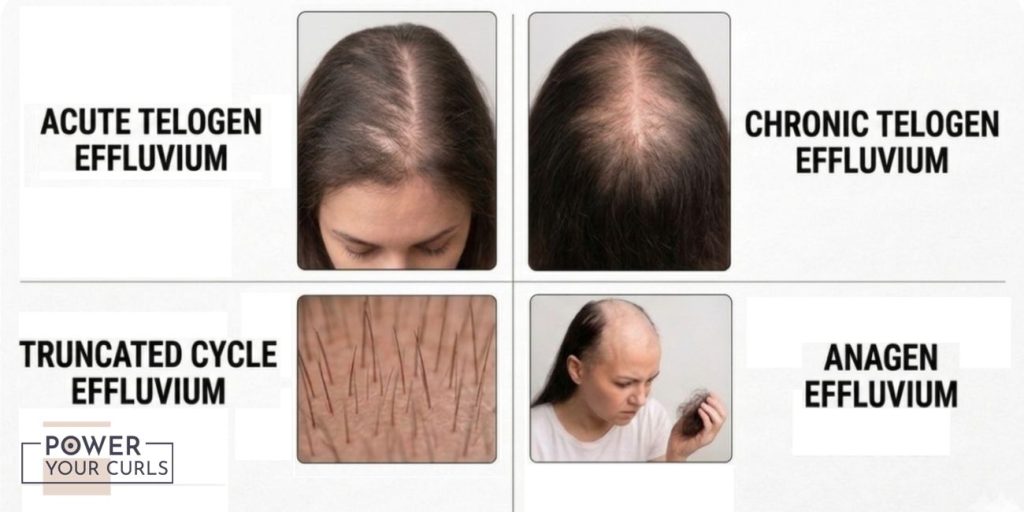
Effluvium refers to a sudden, diffuse shedding of hair across the scalp. It is mainly classified into two types: telogen effluvium and anagen effluvium. The main difference is which stage of the hair cycle is affected by the trigger.
- Acute telogen effluvium: It is the most common form. It happens fast, usually two months after a major shock or illness. If the trigger is short, your hair density usually returns to normal within a year.
- Chronic telogen effluvium: It develops more slowly and lasts over six months. Follicles enter a resting state but struggle to start growing again. This leads to a gradual thinning of the scalp hair over time rather than heavy shedding.
- Truncated cycle effluvium: It is a third type where hairs have very short growth lives. You may notice persistent shedding of short, thin hair fibers. The hair cycles too fast to gain any real length or thickness.
- Anagen Effluvium: It is much more severe and happens within days or weeks. It is often caused by chemotherapy or toxins that “freeze” hairs while they are still growing. This can cause the hair to fall out in large clumps very quickly.
Unlike telogen hairs with white keratin bulbs, these hairs often have tapered or feathered roots. While it is scary, it is also reversible once the toxic trigger is removed. Most people see new growth start within just one month of finishing their medical treatment.
Treatment & Recovery: How to Stop Telogen Effluvium

The best way to stop telogen effluvium depends on what first caused the shedding. Most cases are temporary and will resolve once the body feels healthy and safe again. Understanding your specific trigger helps you choose the right path to full recovery.
Clinical Telogen Effluvium Treatment Options
Effective treatment starts with identifying why the hair cycle shifted. Most clinical plans focus on giving the follicles the time or nutrients they need to grow.
- Wait and See: For short-term triggers like surgery or childbirth, waiting is often the best approach. Your hair follicles will usually recover on their own over a few months.
- Remove the Trigger: If a blood test shows a deficiency, fixing your diet is the answer. Correcting thyroid issues or reducing chronic stress can stop the shedding for good.
- Minoxidil: Doctors often suggest minoxidil to stimulate the follicles directly. This helps if the specific cause is hard to find or is still present in your life.
- Cold Therapy: This is used mainly for anagen effluvium during medical treatments. Cooling the scalp helps protect the follicles from strong medications during chemotherapy.
Medical options work best when you address the internal health of your body. Consistency with your chosen plan is the key to seeing real results over time.
The Role of Telogen Effluvium Shampoo and Topical Aids
A telogen effluvium shampoo can help maintain a healthy scalp environment during the regrowth phase. However, shampoo alone cannot cure the condition because the issue sits deep inside the follicle. Most topical aids focus on increasing blood flow to the hair roots.
Direct growth stimulators like minoxidil remain the most common clinical tools for recovery. These aids help keep follicles in the growing phase for a much longer time. Using the right products helps support your hair while you wait for new growth to appear.
The Telogen Effluvium Recovery Sign & Recognizing Progress

The most common telogen effluvium recovery sign is the appearance of short, fine hairs. You will see these new sprouts along your hairline first. They often look like “baby hairs” that stand straight up. This shows your follicles have left the resting phase.
Another positive sign is a clear decrease in daily shedding. You might see less hair on your pillow or in the shower. While the hair may still look thin, the cycle is resetting. It takes time for these new hairs to gain length and volume.
Tracking the Recovery Signs of Telogen Effluvium
Seeing these tiny hairs means your scalp is healing well. Most people notice this change about three to six months after the trigger ends. Your hair density will slowly fill back in over the next year.
Staying patient is the best thing you can do right now. Your body is working hard to regrow every single strand. If you see these new sprouts, your recovery is officially on the right track.
Recovery Progress Timeline
Understanding the timeline of hair regrowth can help ease your mind. Most people see a clear pattern as the scalp moves from shedding back to growth. Use this guide to track your progress over the next few months.
| Time Since Trigger | Recovery Phase | Expected Progress |
| 1–3 Months | Peak Shedding | Old resting hairs fall out. |
| 3–6 Months | Early Growth | New “baby hairs” appear at the hairline. |
| 6–12 Months | Density Increase | Shedding stops and hair feels much thicker. |
Keep in mind that hair grows slowly, usually about half an inch per month. Seeing these small signs of progress is a huge win for your hair health. Stay consistent with your care, and soon your natural volume will return. Your patience today will lead to much thicker and fuller hair tomorrow.
FAQ About Telogen Effluvium and Other Effluviums
Q: Can stress really cause my hair to fall out months later?
A: Yes, hair shedding usually happens two to three months after a stressful event. This delay is a normal part of the hair growth cycle. Once the stress ends, your hair will slowly start to grow back.
Q: Is the white bulb on my fallen hair a bad sign?
A: No, a white bulb on the root is actually a very good sign. It shows that the hair was in the resting stage. This means the hair follicle is still alive and ready to grow.
Q: Will I lose all of my hair from this condition?
A: You will not go completely bald from telogen effluvium. It causes a general thinning across the whole scalp. Your hair may look very thin, but it will stay intact.
Q: How long does it take to see new hair growth?
A: Most people see new “baby hairs” within three to six months. Full thickness often takes up to a year to return. Patience is the most important part of the healing process.
Long-term Management and Patience in Hair Regrowth
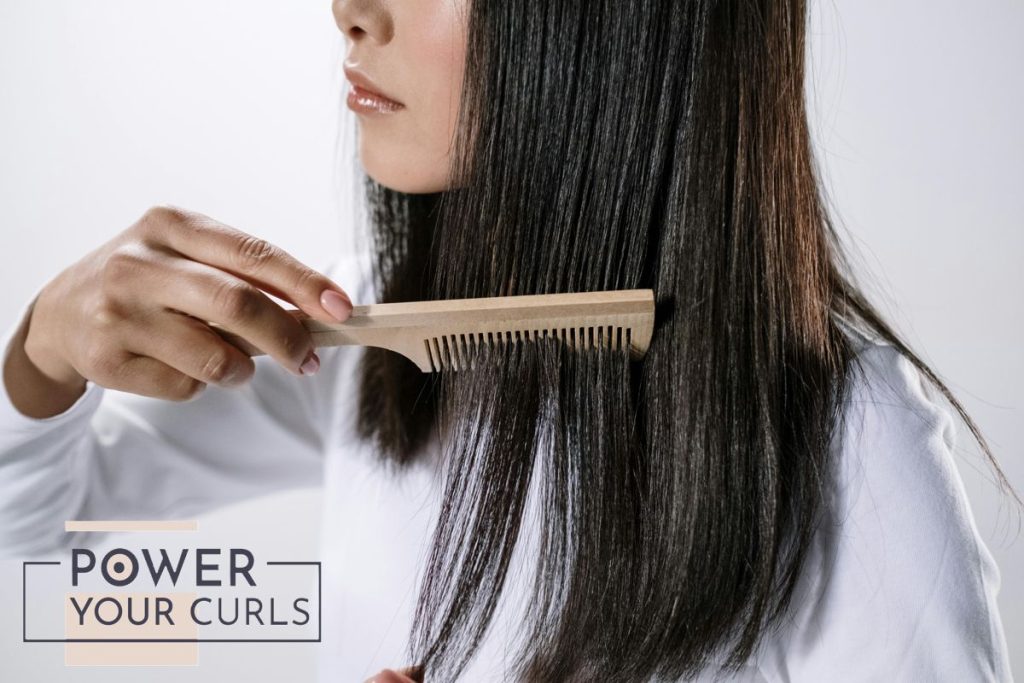
Recovering from hair loss requires both time and a steady plan. Most people find that their hair returns to normal once the body heals. The key is to manage your stress and eat a balanced diet. Keeping your body healthy is the best way to support new growth.
Patience is your most valuable tool during this healing phase. Hair only grows about one centimeter each month. You might not see big changes right away, but your follicles are active. Trust the process and keep track of your progress over time.
Focus on gentle hair care to protect your new, fine strands. Avoid harsh heat or tight styles that can cause extra tension. Staying in touch with a doctor helps you stay on the right track. With the right care, your hair will regain its natural strength and shine.
Remember that this thinning is temporary and fully reversible. Your follicles are just resting and waiting for the right time to grow. Stay positive as you watch your hair density return to its full beauty.
