

For 5,000 years, Ayurvedic herbs have shown a reliable hair-growth potential backed up by tradition and word of mouth. Now, emerging research can put those claims to the test. Scientists and hair care specialists alike found that these help support your hair. They use their phytochemical compounds to create a healthier scalp environment for you and your curls.
Need more convincing? Here’s the compilation of Ayurvedic herbs and their uses, including our client’s impressive results. Let’s start with the basics of these amazing plants, along with how these practices will help with your scalp’s health.
- What Are Ayurvedic Herbs, and Why Are They Useful?
- Ayurveda vs. Modern Dermatology: Where They Align and Don’t
- Which Ayurvedic Herbs Work and Are They Enough?
- The Top 9 Ayurvedic Herbs for Hair Growth
- Common Ayurvedic Hair Myths - Listed and Debunked
- How to Use Ayurvedic Herbs (With Actual Results, Not Rituals)
- How Long After Using Ayurvedic Herbs Will I See Results?
- Your Next Ayurvedic Hair Care Routine
- Lifestyle Factors That Boost Ayurvedic Hair Care Results
- Top Ayurvedic Hair Care Brands
- FAQs About Ayurvedic Herbs
What Are Ayurvedic Herbs, and Why Are They Useful?
These are bioactive plant life that can revive and refine the balance of your scalp’s growth and physiological environment. They deliver phytonutrients that nourish your follicles through the bone and tissues themselves.
In Ayurveda, the byproduct of Ashti Datu (bone tissue) is hair. This links internal health with the external systems, including the hair and the scalp. For example, many herbs in Ayurveda contain specific cooling compounds that calm scalp heat and irritation.
These plants work by creating the right internal and external environment to support the natural hair cycle. Standard marketing claims often suggest these plants can fix poor genetics or late-stage balding instantly.
Ayurveda vs. Modern Dermatology: Where They Align and Don’t
Ayurveda and modern dermatology can find equal footing when you combine years of keen observation with updated clinical exploration.
Dermatology targets specific therapeutic processes that can only be skin deep. In tangent, Ayurveda uses botanical extracts to address the underlying physiological causes as well. This is why growing evidence suggests that this dual approach may lead to an overall healthier scalp.
Patients using clinical ketoconazole for dandruff frequently find that adding soothing neem oil reduces the harsh dryness of chemical surfactants. This synergy shows where they overlap and where they don’t, especially during active telogen effluvium flare-ups.

Many people assume natural vs. clinical hair treatment is a choice between two warring factions. If you view herbs as a replacement for medical care, you may miss the window to treat permanent hair loss.
Which Ayurvedic Herbs Work and Are They Enough?
Identifying who should use Ayurvedic herbs for hair depends entirely on the root cause of your shedding. These plant extracts work best for stress-related and nutrition-related shedding by stabilizing the internal growth environment.
Research shows that botanicals complement, but cannot replace, medical diagnosis for complex autoimmune or scarring conditions. Patients who experience hair thinning show much improvement when they use Ayurvedic herbs.
A client experiencing postpartum hair loss saw steady hair growth when using Ayurvedic herbs for hair growth. As you can see, identifying the root cause of hair thinning and such matters the most. This is because Ayurvedic herbs are not a one-size-fits-all solution for every scalp issue.
If you have significant bald patches or sudden round spots, you must know when to see a dermatologist for hair loss. Herbs are supportive tools for cycle maintenance, but they will never regrow hair on a scarred or dead follicle. Assuming a botanical oil can reverse permanent genetic balding may lead you to waste time while your follicles miniaturize beyond repair.
The Top 9 Ayurvedic Herbs for Hair Growth
Selecting the best Ayurvedic herbs for hair requires matching specific botanical compounds to your unique scalp needs. These nine plants contain dense concentrations of flavonoids and alkaloids that prolong the hair follicle’s growth phase.
It’s best to use identical and dependable extracts and formulations. This way, it’ll efficiently deliver nutrients to the roots every time. We find that a targeted combination of these herbs outperforms single-ingredient products.
Each plant serves a functional role, ranging from antioxidant protection to microbial balancing of the scalp microbiome. Understanding which herb addresses your specific thinning pattern is the foundation of your routine toward effective natural care.
Many people use these botanicals just for their scent, unaware that each acts on the scalp very specifically. Using the wrong herb for your specific scalp type can lead to buildup or localized irritation.
1. Bhringraj (Eclipta alba) – The King of Hair
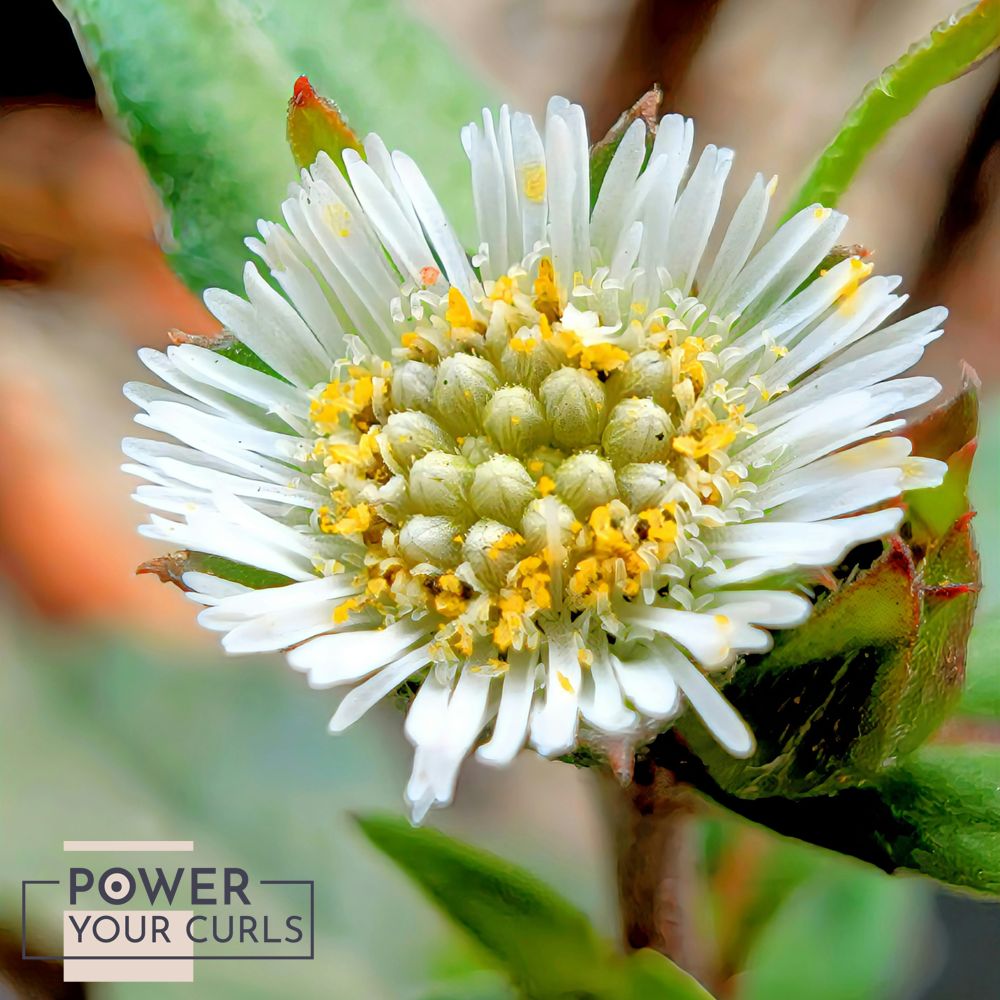
Bhringraf is a botanical that provides your hair with vitamin E and flavonoids, protecting follicles from premature shedding. It can also shorten the hair cycle’s resting phase, which means faster hair regeneration.
Studies on Eclipta alba hair application show it effectively increases dermal papilla cell activity to keep strands in the anagen phase longer. We often find results when patients massage warm oil twice weekly into the scalp.
One client saw a significant decline in shedding after using high-purity bhringraj oil over artificial serums. With the reputation of targeting blood circulation for better nutrient delivery, no wonder this plant is the “king of hair”. Circulatory support is only one of its benefits. The rest are:
- Circulatory Support: Nutrient delivery improves as the blood vessels in the scalp widen and blood flow gets stronger
- Follicle Activation: Jump-starts dermal papilla cells, triggering the shift from the resting to the active growth phase
- Oxidative Protection: Premature follicle aging ceases when the high vitamin-E content neutralizes the present free radicals
Many people assume any green oil labeled Bhringraj will provide these pharmaceutical-grade results without checking the extraction method. If your oil contains mostly mineral filler instead of potent bioactive wedelolactone, you are simply coating your hair in grease rather than stimulating follicles.
2. Amla (Indian Gooseberry) – The Vitamin C Powerhouse
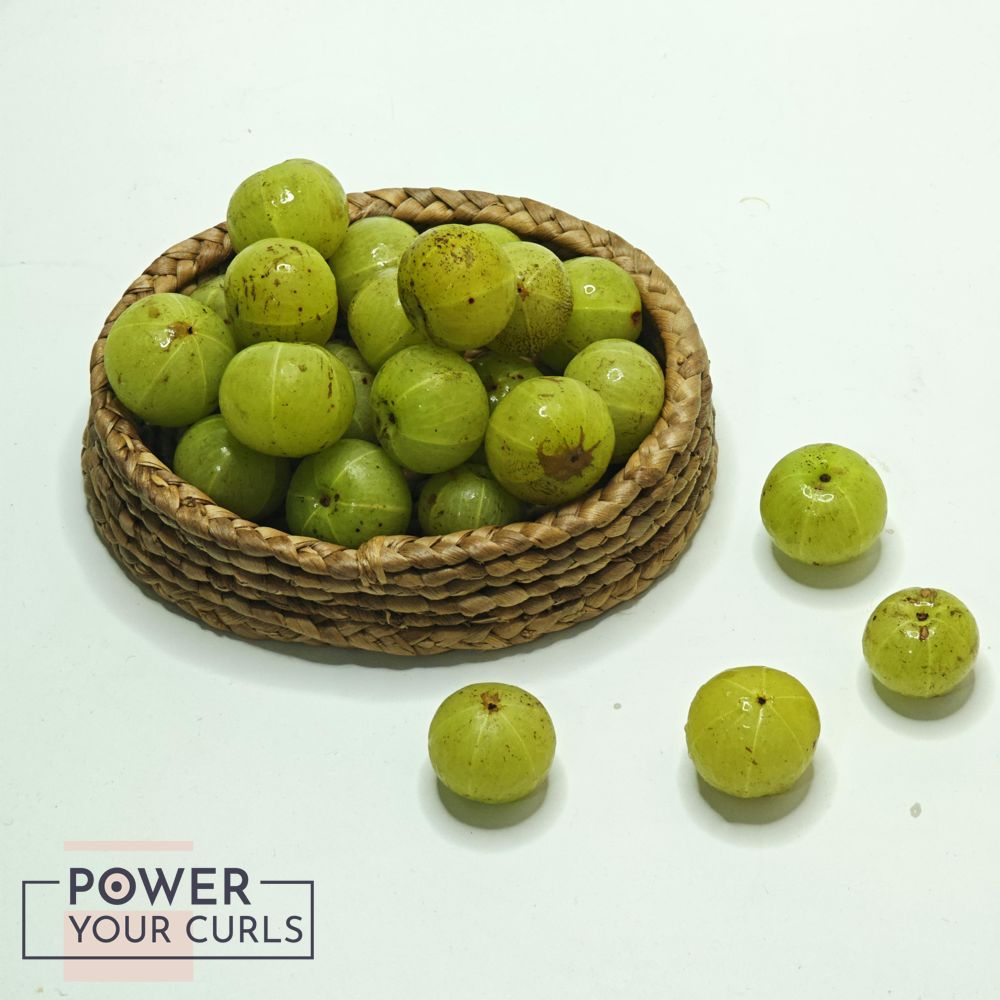
Amla prevents premature pigment loss and follicle aging by being a potent antioxidant catalyst. This super fruit contains the highest natural concentration of vitamin C, which is essential for collagen synthesis to strengthen the hair shaft.
Scientific analysis confirms that its gallic acid content protects the scalp from environmental oxidative stress that triggers telogen shedding. Sometimes we see a measurable improvement in strand diameter when patients use Amla-infused rinses.
Several clients report more “elastic” and resilient hair after six weeks of continuous topical use. They can see how this berry works its magic by suppressing an enzyme called 5-alpha reductase. Notice fuller hair along with the following effects:
- Scalp Tonification: Regulates sebum production by tightening pores, leading to a cleaner growth base
- Collagen Boost: Amplifies the structural integrity of each hair strand from root to tip by heightening collagen synthesis
- Antioxidant Shield: protects the hair’s protein structure by cancelling out existing free radicals
Most cases involve topical application of the berry. However, many still believe that the benefits of drinking amla juice are the same as direct topical use. Although nutrition is essential, you need to deliver that localized phytochemical punch in order to get the full effect.
3. Brahmi (Bacopa monnieri) – The Scalp Soother
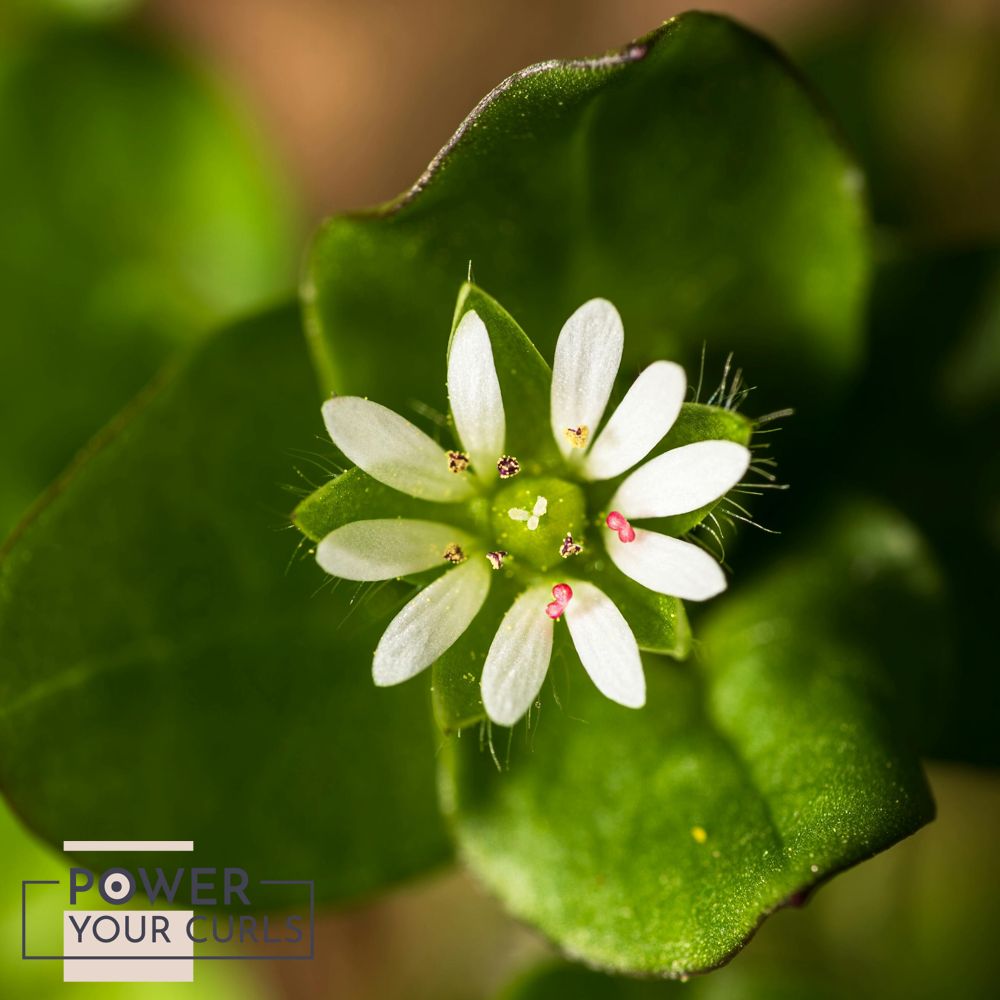
Brahmi eases chronic scalp inflammation while stimulating proteins that stabilize follicles. It’s also a great way to improve overall blood circulation in the scalp.
This all-natural herb has active compounds called bacosides. These substances defend your follicles from further damage by making a protective layer over them. This barrier coating the hair fibers minimizes the chances of breakage.
Like most ayurvedic herbs on this list, Brahmi works best as a hair oil. In this form, the benefits are more noticeable and potent. One of our clients even saw how useful it is during periods of high stress. They saw a significant reduction of their cortisol-linked shedding. This hair oil, as a weekly hair mask or an everyday addition, can both support the hair and calm the mind.
As you can see, this botanical targets stress as an underlying condition and has other benefits like:
- Vascular Support: Ensures that follicles have enough oxygenation by boosting microcirculation
- Stress Modulation: Decreases high cortisol levels, lowering localized oxidative stress
- Protein Activation: Strengthens the foundation of your hair by initiating specific growth-linked proteins
Another Ayurvedic herb that people use interchangeably with Brahmi is Gotu Kola. While both plants have similar benefits, Brahmi delivers specific alkaloids that reduce heat-induced follicle shrinking with its specific cooling effect.
4. Neem (Azadirachta indica) – The Scalp Purifier
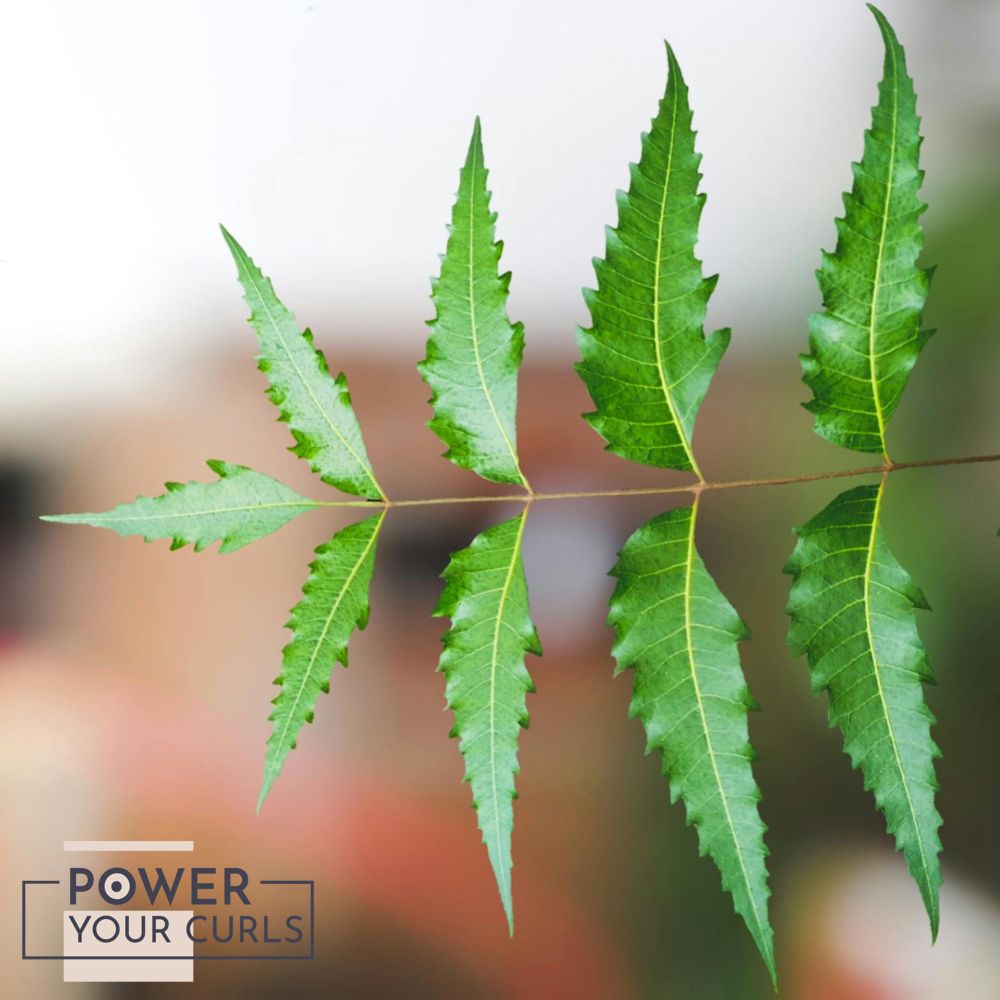
Neem is essentially a biological reset for the scalp that eliminates the microbes responsible for chronic flaking. This botanical kills bacteria and fungi on the scalp by disrupting their cellular membranes with active nimbin compounds.
You cannot grow hair in an inflamed environment; clearing the fungal load is the baseline for recovery for successful hair fall prevention and follicle recovery. In my experience, neem is the superior alternative when ketoconazole shampoos strip the hair of its natural lipids.
Ayurveda calls neem the curer of all ailments because it restores dry and undernourished hair while regulating overactive sebum glands. Applying neem oil once or twice weekly helps create a clear, de-congested follicle ready for healthy growth. Neem also has the following benefits:
- Antimicrobial Action: Deprives the fungus Malassezia of the oils it needs to survive
- Inflammation Control: Alleviates excess heat and redness that may cause temporary hair thinning
- Sebum Regulation: Levels oil production to clear away scalp acne and clogged pores
When your scalp is already healthy and clear, you shouldn’t rely on neem oil alone. If you lack a microbial issue, overusing this potent purifier might strip essential lipids and leave your strands brittle.
5. Fenugreek (Methi) – The Protein-Rich Seed
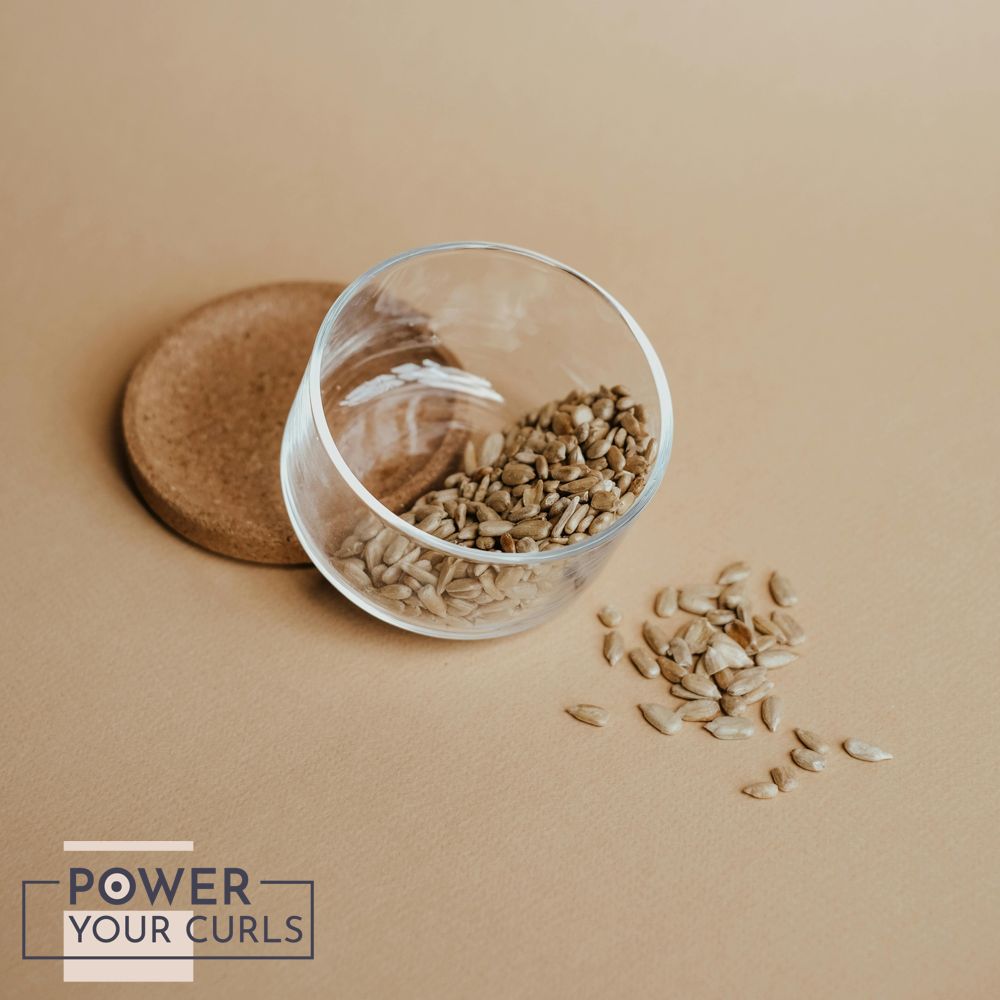
Fenugreek provides the structural proteins and nicotinic acid required to rebuild a thinning shaft. These seeds stimulate proper blood flow by providing an abundance of folic acid and essential proteins, supporting stronger hair growth.
Scientific studies suggest specific compounds may interact with DHT to slow hair loss in early-stage thinning. We see patients achieve better texture using a fenugreek hair mask to repair cuticle damage.
Reports proved smoother hair due to the natural conditioning from mucilage content. To use this effectively, soak methi seeds for hair fall overnight and grind them into a paste. The major benefits of fenugreek for hair are as follows:
- DHT Modulation: Saponins may block hormone-driven follicle miniaturization.
- Structural Repair: High protein fills gaps in the hair’s damaged protective layer.
- Scalp Hydration: Mucilage traps moisture without synthetic silicones.
For best results, leave the fenugreek paste on your scalp for at least thirty minutes; shorter contact won’t allow nicotinic acid to fully penetrate and strengthen the follicles.
6. Hibiscus (Jaswand) – The Conditioning Flower
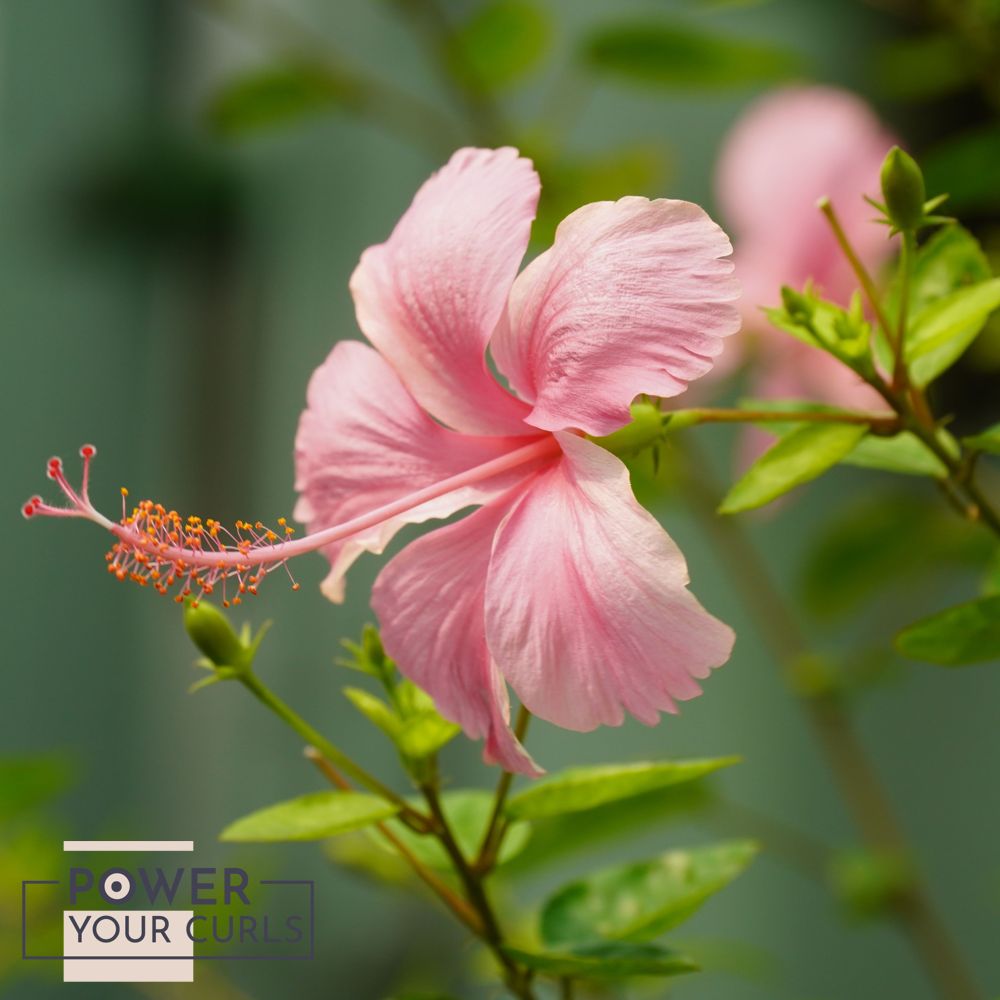
Hibiscus strengthens the hair shaft while nourishing follicles by delivering the needed amino acids to the roots. These natural amino acids gently exfoliate your scalp, unblocking follicle pathways.
Apart from unclogging your follicles, research suggests that hibiscus may help with the active growth phase as well. This flower can do this by stimulating dermal papilla cell activity in your scalp. Our hair care professionals recommend this budding Ayurvedic herb as a natural hair conditioner substitute for chronic dryness.
Reports from our clients show that incorporating hibiscus hair masks into their weekly routine did a lot for their hair. They saw little to no breakage with an added shine after every use.
To get as much from the flower as you can, apply crushed hibiscus flower paste to your hair fibers. Let it stay on for 45 minutes to fully protect your strands.
- Amino Acid Delivery: Reinforces the internal keratin structure of each strand of your hair
- Pigmentation Support: Maintains natural hair colour by providing helpful antioxidants
- Scalp Clarification: Melts away excess sebum while letting the needed moisture in
The hibiscus plant goes beyond shine. Regular hair enthusiasts might forget the flower’s leaves, containing higher concentrations of growth-promoting alkaloids. Doing so greatly limits this botanical’s potential for your hair.
7. Ashwagandha (Withania somnifera) – The Stress Fighter
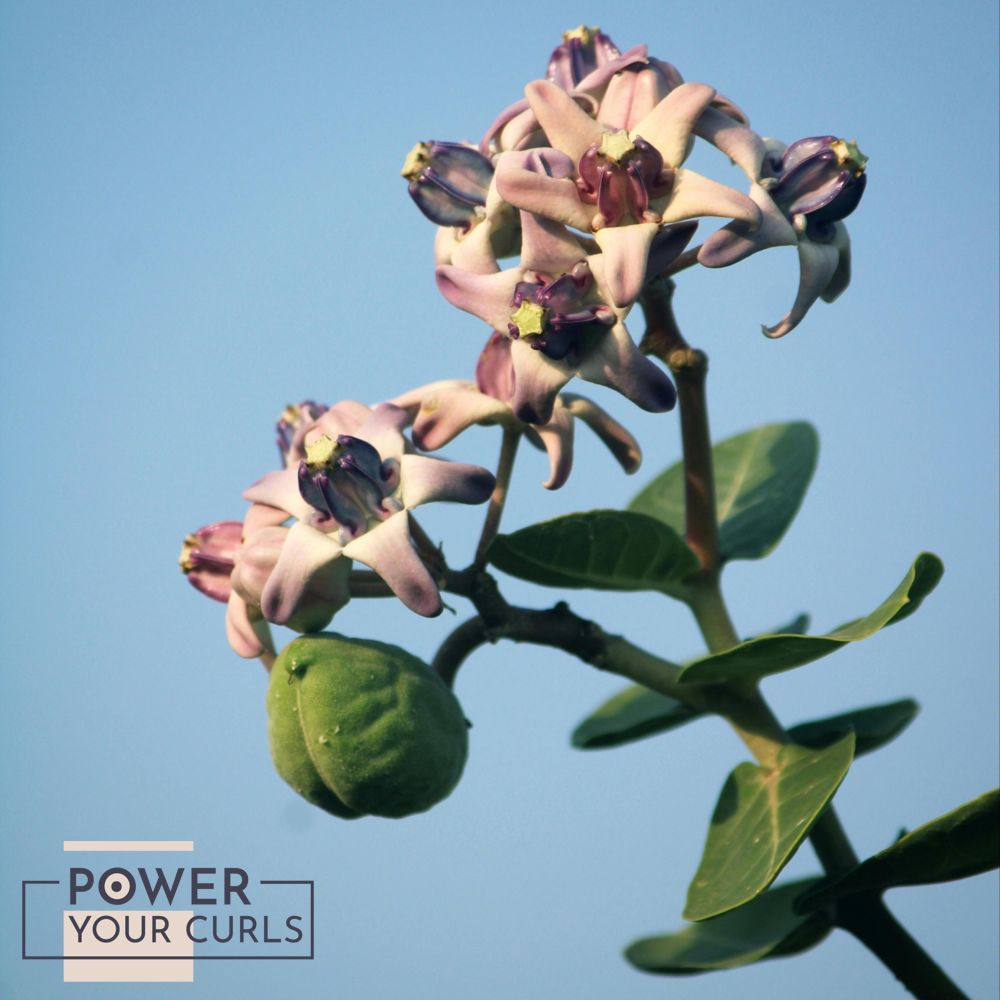
Ashwagandha is the leading Ayurvedic herb for stress relief, which is linked to cases of hair shedding. This plant does this by stabilizing the body’s physiological response to stressors in its environment.
Research into this stress reliever shows that its hair applications support hormonal imbalances. This benefits overall scalp health and hair density. Unlike the other herbs on this list, ashwagandha is more suitable when taken orally instead of topically.
A patient of ours was going through a high-stress career transition, needing help with their hair thinning. After consistent use for three months, they reported significantly reduced thinning. Apart from stress protection, ashwagandha also helps you with the following:
- Antioxidant Support: Combats damage from free radicals at the roots, maintaining follicle integrity
- Cortisol Regulation: Stops stress hormones, nipping follicles from going into a premature resting phase in the bud
- Hormonal Synergy: stabilizes DHEA levels, preserving a healthy environment for hair regeneration
As mentioned, this botanical works from the inside out, protecting follicles from androgen-related shrinking. There is ashwagandha oil for topical use, but it can only provide superficial protection against a deep biological issue.
8. Aloe Vera – The Soothing Gel
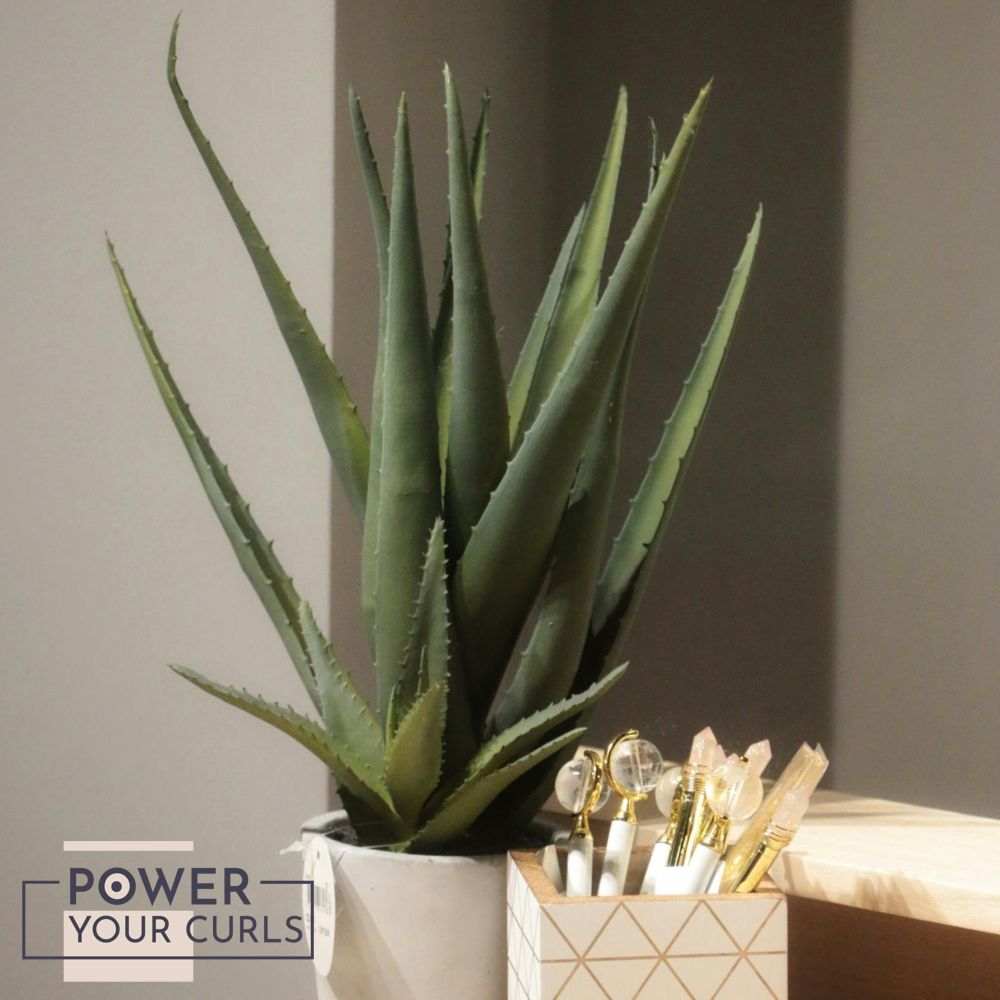
Aloe vera is a popular Ayurvedic solution. It works by clearing dead skin cells, freeing clogged follicles, and giving room for new strands. This plant contains a repairing protein called proteolytic enzymes that target damaged scalp cells while providing a cooling effect.
Experts often compare its amino acid and protein structure with keratin. This may help it bind well with the hair shaft and improve moisture retention. Aloe vera hair benefits are greatest for those with chemical sensitivity or heat damage.
Speaking of chemical sensitivity, aloe vera does work wonders for moisture retention and hair colour aftercare. A client saw significantly less breakage after consistent use of aloe vera gel, balancing their scalp’s delicate pH. Aloe vera works its magic by being such as effective:
- Anti-inflammatory: Tampers down itching and redness that can interfere with the hair’s growth cycle
- pH Balancer: Steadies scalp acidity while preventing cuticle lifting and frizz
- Synthesized Exfoliator: Melts away skin and sebum buildup around the follicles and pores
However, authentic aloe vera differs from aloe-scented hair care. Many use “aloe-scented” products expecting raw botanical results, but it’s not the real thing. If your product contains alcohol, it will probably dehydrate your scalp rather than nourish it.
9. Shikakai – The Natural Cleanser
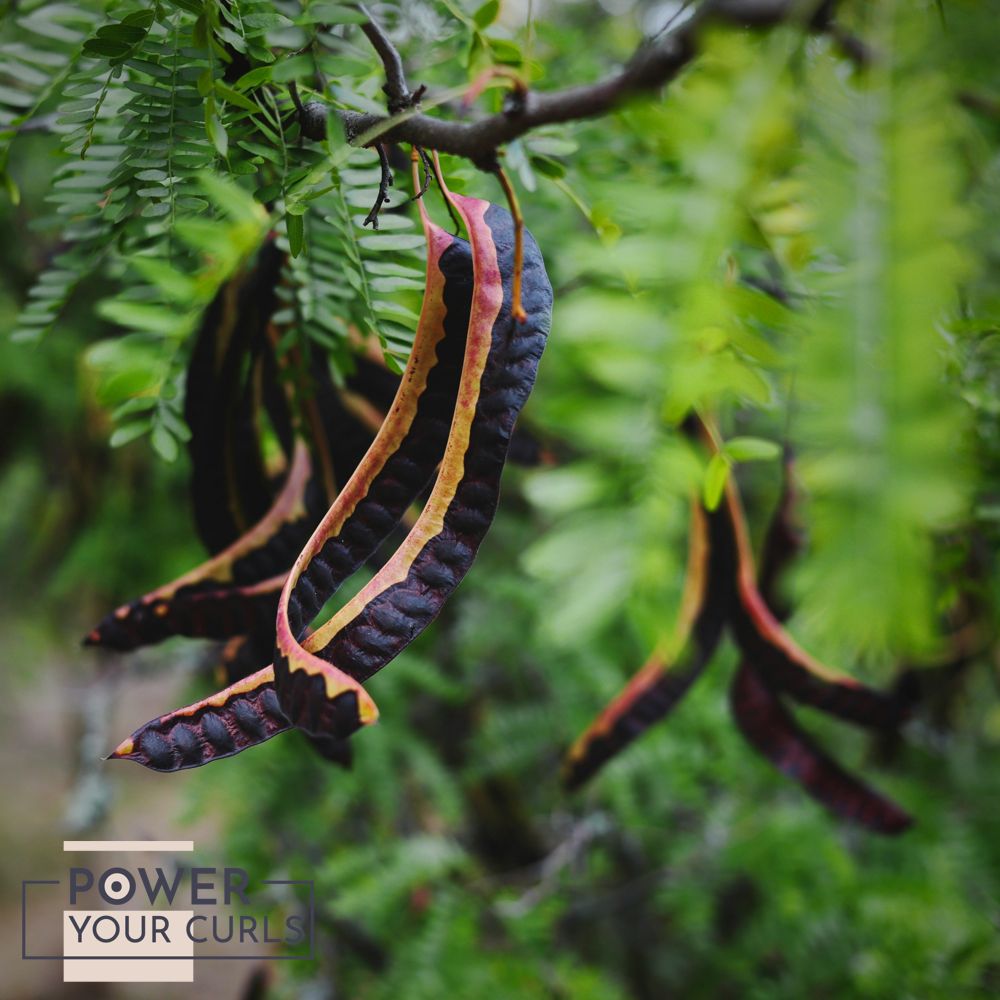
Shikakai is a traditional substitute for the ever-popular sulfate shampoos. It contains natural saponins that wash your scalp without stripping the protective oils, removing product buildup. This Ayurvedic herb is the ideal product if you want to create a healthy scalp environment.
To maintain the scalp, research indicates the need for a low pH. A shikakai surfactant-free cleaners supports the naturally acidic atmosphere of the scalp. All the while, it reduces irritation and dryness. It is also full of natural compounds and nutrients that make your hair resilient, shiny, and soft. Shikikai has all of this and more, like the following:
- Acid Mantle Protection: Mirrors your scalp’s inherent acidity, keeping hair cuticles sealed
- Detangling Properties: Decrease mechanical breakage and friction while washing
- Micronutrient Delivery: Fills each hair root with essential vitamins A, C, D, and E
A lot of mass-market shampoos lather really quickly with massive amounts of foam. Despite this common belief, it may be over stripping the sebum from your locks. A low-lather shikakai is your best bet to remove grime without penetrating your scalp’s lipid barrier.
Common Ayurvedic Hair Myths – Listed and Debunked
Many myths about Ayurvedic herbs endure because the publicity around them prioritizes hearsay over facts. No herb can regrow hair overnight because biological cycles are fixed. In the clinic, we clarify that oils condition the surface but don’t penetrate the follicle.
One client stopped asking, “Does oiling hair make it grow faster?” after seeing how consistency matters more than trends. With that in mind, there are still a couple of things you need to consider about Ayurvedic herbs:
- Growth Rate: The human body can only allow an average monthly growth rate of 1-1.5 cm
- Instant Results: These botanicals require months of consistent use for any effects to show
- Penetration: Oils have trouble going deep into the follicle, only reaching the scalp and hair shaft at times
- Safety Profiles: Natural solutions (including hair care) don’t automatically mean safe
Believing these myths about all-natural hair care leads to the disregard of otherwise helpful daily practices. Expecting results from the get-go ignores the benefits of a stable routine for long-term follicle health.
How to Use Ayurvedic Herbs (With Actual Results, Not Rituals)
Hair-care related research indicates how routines matter most, and it shows. Consistency is key instead of fixating on a single plant or occasional treatments with Ayurvedic-herb use.
Another crucial research-based indicator of suitable Ayurvedic-herb use is proper application. When used properly, the bioactive compounds can be as effective as possible for your scalp and hair shafts. One of the best ways to use Ayurvedic herbs is as oils, and here’s what you need to do:
- Warm: Prep the oil in your hand by using your body heat to warm it up for better absorption
- Massage: Use firm, circular motions for five minutes to boost circulation
- Wait: Leave the oil on for at least 30-60 minutes before washing
Getting actual results is less about which product you buy and more about how reliably you apply it. A twice-weekly routine maintained for 90 days will always outperform an expensive serum used once a month.
How Long After Using Ayurvedic Herbs Will I See Results?
Only after 8-12 weeks of continuous Ayurvedic-herb use will you see any improvements. This time span is the same as your hair’s natural growth cycle. The progress coincides with the active growth phase.
Results from herbal hair treatment follow a slow, steady sequence. You’ll likely notice better texture and scalp comfort within the first month. We’ve found that consistency over 3 months gives the clearest results for actual density.
Most people quit before the 90-day mark because they expect instant magic. Without tracking this slow monthly growth progression, it’s easy to miss these subtle but genuine improvements happening in real time.
Your Next Ayurvedic Hair Care Routine
The best Ayurvedic hair care routine requires simple and consistent habits, not convoluted and sporadic treatments. This approach will work for almost every hair type since it’ll gradually introduce physiological changes to your delicate scalp ecosystem. This easy three-point hair care routine our hair care experts recommend is:
- Oiling: Use warmed herbal oil on your scalp twice a week for scalp nourishment
- Massaging: Apply medium pressure using circular motions for five minutes for better circulation
- Cleansing: Get a low-pH herbal wash on wash days for proper buildup removal
Lifestyle Factors That Boost Ayurvedic Hair Care Results
Lifestyle habits for hair growth succeed only when your internal environment supports the topical herbs you use. Long-term results will depend on your metabolic stability since your hair reflects what happens in your body.
- Stress: High levels of cortisol in your system shoves follicles into the premature resting phase
- Nutrition: Iron, protein, and zinc are a requirement for efficient keratin production
- Sleep: The time your hair cells repair damage and regenerate is during sleep
Any herbal remedy, Ayurvedic or otherwise, won’t work if you dismiss your health. Relying solely on hair oils while overlooking your internal wellness is like watering a plant in nutrient-deficient soil.
Top Ayurvedic Hair Care Brands
Our hair experts have handpicked their top Ayurvedic hair care brands. These establishments prioritize ultra-pure extracts over imitations and filler ingredients. Some of them also use a combination of classic preparations with advanced testing. All the while improving quality while sourcing quality ingredients from their native regions and unique backgrounds.
In no particular order, the Ayurvedic hair care brands you should go for are:
- Baidyanath: This legacy brand specializes in real, top-quality scalp remedies and treatments for more than a hundred years
- Dabur India: This label is famous for quintessential formulations for age-old hair tonics like amla hair oils
- Forest Essentials: A luxury Ayurvedic label that centers on minimal synthetic additives in its signature formulations. Their Brahmi and Japapatti Hair Wash is worth trying for its concentration of shikakai
- Himalaya Wellness: A worldwide pioneer in science-focused hair-fall shampoos and creams in the Ayurvedic industry
- Kama Ayurveda: This brand’s specialty is cold-pressed herb oils from a primary reliable source of supplier. Their Bringadi Intensive Hair Treatment Oil is one of the cleanest bhringraj and amla blends on the market
- Patanjali Ayurved: An accessible brand that offers a wide range of 100% pure and affordable Ayurvedic hair care products based on tradition
FAQs About Ayurvedic Herbs
What is the most powerful herb for hair growth?
Bhringraj is the “king of hair” because of its ability to shift follicles from resting to active growth. In fact, it’s the most potent botanical for hair density. It contains wedelolactone, a compound that can reduce oxidative stress while improving blood circulation.
How to regrow 100% of your hair?
To regrow 100% of your hair biologically, your follicles must be only dormant rather than dead. A steady hair growth cycle is solely dependent on a stable 8-12-week routine which includes:
- Ayurvedic herbs (amla, neem, etc.)
- Optimized nutrition (iron, zinc, etc.)
- Stress management (good sleep, etc.)
What are Ayurvedic herbs for hair care and growth?
Ayurvedic herbs for hair care and growth are plant extracts from herbs such as Amla, Brahmi, and Neem. These hair oils can fully restore the scalp’s delicate balance after consistent use.
They reduce inflammation and nourish follicles by delivering phytochemicals, unlike inorganic hair products. Because of this, it fully supports hair experts’ belief for the long-term herbal hair care approach.
What is the best medicine for hair growth?
While minoxidil is the leading pharmaceutical, bhringraj is the top Ayurvedic alternative. The most effective “medicine” is a dual approach: clinical intervention for speed and herbs for long-term scalp health and maintenance.
Ayurvedic hair growth isn’t a cosmetic fix; it’s a biological commitment. Hair growth will not depend on instant cosmetic solutions, but it will on consistency. These readily available botanicals’ purpose is to balance the scalp’s microbiome while supporting the hair’s months-long hair cycle
These botanicals align with your 90-to-120-day growth cycle. Actual results don’t happen faster than biology allows rather than overnight miracles. Start by introducing one potent herb for at least three months before overhauling your entire shelf. The best hair care routine is the one you actually follow consistently.
The most effective routines are simple enough to follow daily and only work well when combined with herbs, good nutrition, and stress management. Ayurveda does not promise miracles but delivers consistency for those seeking holistic hair health.
