

Follicle shape and curly vs. straight hair genetics determine your unique natural hair texture. These biological factors dictate how keratin proteins bond to form your hair shaft.
Your hair texture depends on your follicle shape and the curly hair genetics you inherit. Asymmetrical follicles produce elliptical strands that spiral, while round follicles create symmetrical, straight hair through incomplete dominance.
Research shows that the TCHH gene and ectodysplasin A (EDAR gene) control these physical traits. These genes act like a blueprint for how your scalp builds each individual strand. We often see clients who think their hair is frizzy when it is actually wavy.
Understanding your curly vs. straight hair genetics is the first step toward better hair health. Stop fighting your biology and start using science to make your natural curls shine.
The Biology Behind Hair Texture
Your hair texture is determined by the specific shape of your subcutaneous follicles. Asymmetrical, curved follicles produce elliptical strands that naturally bend and spiral.
In the clinic, we observe how follicle depth influences how individual curls clump. Rounder follicles allow keratin to distribute evenly, resulting in straight hair fibers.
Hair texture genetics follow incomplete dominance rather than simple dominant-recessive rules. Inheriting one curly and one straight allele typically results in wavy hair.
What Makes Hair Curl?
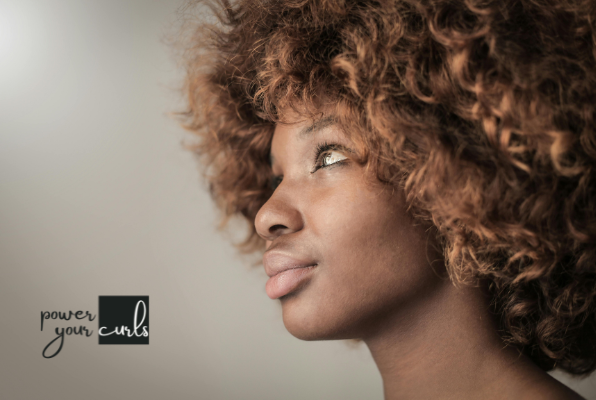
Curls form when asymmetrical follicles produce elliptical hair shafts with uneven keratin. This structural imbalance causes the strand to twist as it exits the scalp. A number of researches identify the TCHH gene as a primary driver of Caucasian curly hair.
We observed that Type 3 hair often has localized protein gaps. These gaps occur at the “turn” of the curl, increasing vulnerability to breakage.
Curly hair may also play a role in helping keep the head cool in warm, tropical climates. Selective pressure acting on the KAP gene cluster helps shape these wide variations.
What Makes Hair Straight?
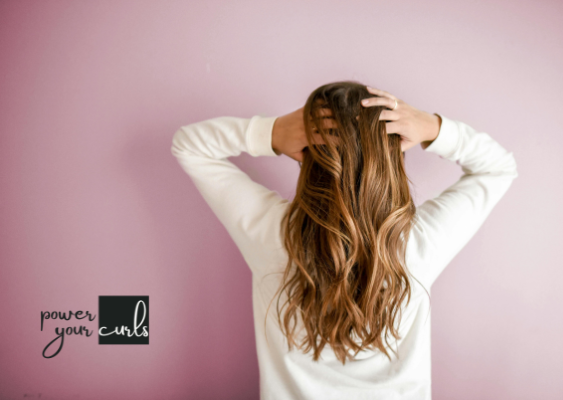
Straight hair results from perfectly round follicles that produce symmetrical, cylindrical strands. Uniform keratin bonding allows the hair to grow without bending or spiraling.
The T-allele in the TCHH gene significantly increases the likelihood of straightness. In Asian populations, the EDAR gene variant creates thicker, straighter hair fibers.
Straight hair allows scalp oils to travel down the shaft more efficiently. Certain researches traced sudden straightening to temporary changes in a client’s follicle shape.
How Curly and Straight Hair Differ at a Genetic Level
Hair texture inheritance works on a spectrum; neither the curly nor straight allele fully overrides the other. Inheriting one curly and one straight allele typically results in wavy hair.
Why Most East Asians Have Naturally Straight Hair
East Asian straight hair stems from a specific mutation in the EDAR gene. The G-allele leads to thicker, straighter hair by modifying follicle development during growth.
This variant emerged approximately 30,000 years ago in central China, possibly to enhance skin lubrication in cold, dry climates (Kamberov et al., Cell, 2013).
Straight hair allows scalp oils to travel down the shaft more efficiently. We often see this genotype resulting in the highest level of hair shine.
Can Two Straight-Haired Parents Have a Curly – Haired Child?
Two straight-haired parents can have a curly-haired child because of polygenic inheritance. Because different genes are involved, parents can carry hidden curly hair variants.
This happens when both parents pass down specific TCHH gene variations simultaneously. Hair curl is an additive trait, meaning the total count of variants matters.
Why Siblings Can Have Completely Different Hair Types
Both parents’ genes affect a person’s hair type; curly hair is typically dominant, while straight hair is recessive. Children may have wavy hair if one parent has curly hair and the other has straight hair. A child is likely to have curly hair if both parents do. Genes also influence melanin levels, which affect the natural pigment and color of the hair.
One sister might inherit the straight TCHH variant while her brother gets curly. We see this frequently in families with mixed European and Asian ancestry. Diet, climate, and hair care routines also play a role in sibling divergence.
Which Hair Type Are You? Types 1 to 4 Explained
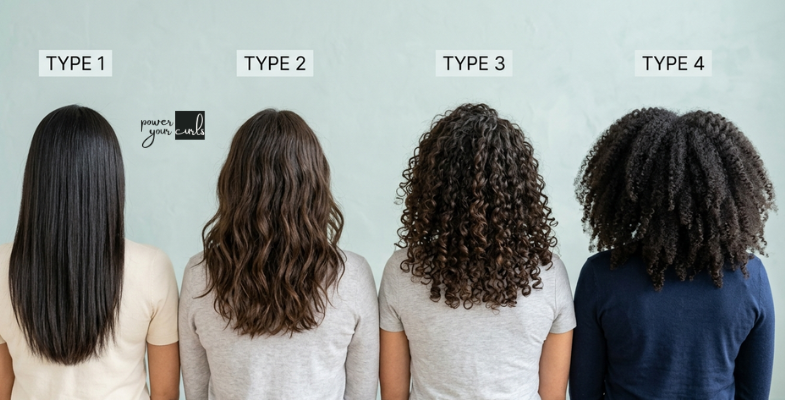
Your hair type is determined by the specific curl pattern of your strands. This classification system ranges from straight Type 1 to tightly coiled Type 4.
We use these categories to customize structural protein treatments. Understanding your specific shape helps you choose products that actually penetrate the hair shaft, and ensure the effectiveness of hair treatments and products.
Type 1: Straight Hair
Type 1 hair lacks any natural curl and lies flat against the scalp. The hair follicle is perfectly round, allowing for a symmetrical keratin structure.
We often see Type 1 hair struggle with excess oiliness from fast sebum travel. A lightweight, oil-controlling dry shampoo between washes helps manage the fast sebum buildup common in this type.
Type 2: Wavy Hair
Type 2 hair forms an “S” shape and sits between straight and curly. This texture often results from incomplete dominance between curly and straight hair genetics.
One client reported her waves becoming more defined after switching to lightweight cleansers. A lightweight mousse or curl-enhancing cream applied to damp hair helps define the natural S-shape without weighing it down.
Type 3: Curly Hair
Type 3 hair forms defined loops or springy ringlets with visible volume. The elliptical follicle shape causes the strand to twist as it grows out. Curls require significantly more moisture. A protein-rich leave-in conditioner helps fill the keratin gaps at the curl’s turn, reducing breakage and boosting definition.
Type 4: Coily Hair
Type 4 hair features very tight, zig-zag patterns or small, dense corkscrews. Flattened follicles create a highly asymmetrical shaft that is naturally very delicate.
We often see Type 4 hair experience the highest rates of mechanical breakage. A heavy butter-based sealant, like shea butter, applied to freshly washed sections reduces mechanical breakage on the delicate coily shaft.
Identifying your type is the first step toward a functional hair care routine. While genetics set the foundation, your environment and habits shape the final look.
Can Your Hair Texture Change? Hormones, Age, and Treatments Explained
Your hair texture changes because follicles respond to internal and external triggers. Hormonal shifts or medical treatments physically alter how follicles produce keratin strands. In the clinic, many women report their hair becoming curlier during pregnancy.
- The Impact of Hormones: Hormones like estrogen and androgens directly regulate your hair’s growth cycle. Puberty, pregnancy, or menopause can shift follicles from straight to wavy shapes. The client reported her tight curls had vanished completely after starting hormonal therapy.
- How Age Changes Texture: Aging causes follicles to shrink and produce thinner, drier hair fibers. As sebum production slows, your natural curl pattern may become less defined. Research shows that hair often becomes coarser and more brittle after fifty.
- Medical and Chemical Treatments: Chemotherapy and high-heat styling can permanently or temporarily warp follicle structures. Harsh chemicals break the disulfide bonds that hold your natural hair’s shape. We often see chemicals where straight hair regrows as tight coils.
- Environmental Influence: Humidity and water mineral content alter the way your hair bonds react. High moisture levels cause the hair shaft to swell and form frizz. One swimmer found that her wavy hair had become stick-straight from chronic chlorine exposure.
Understanding these shifts helps you adjust your routine as your biology evolves. While your DNA remains constant, your hair’s expression is remarkably fluid.
Your Hair, Your Biology, Your Choice
Your hair texture is a biological trait determined by your unique genetic code. Follicle shape and proteins like keratin dictate whether your strands curve or stay straight. In our clinic, we find that understanding DNA leads to better hair health.
Scientific research proves that genes like EDAR and TCHH drive these patterns. These markers interact in a blended pattern to produce the full spectrum of waves, curls, and coils. One client stopped using harsh heat once she understood her natural genetic beauty.
Accepting your natural texture helps you build a more efficient daily routine. Knowing your type allows you to choose products that actually work for you. We see better moisture retention when clients stop fighting their natural follicle shape.
Your hair journey is a personal mix of biology, history, and expert care. Use this scientific proof to protect your strands and keep them strong.
