

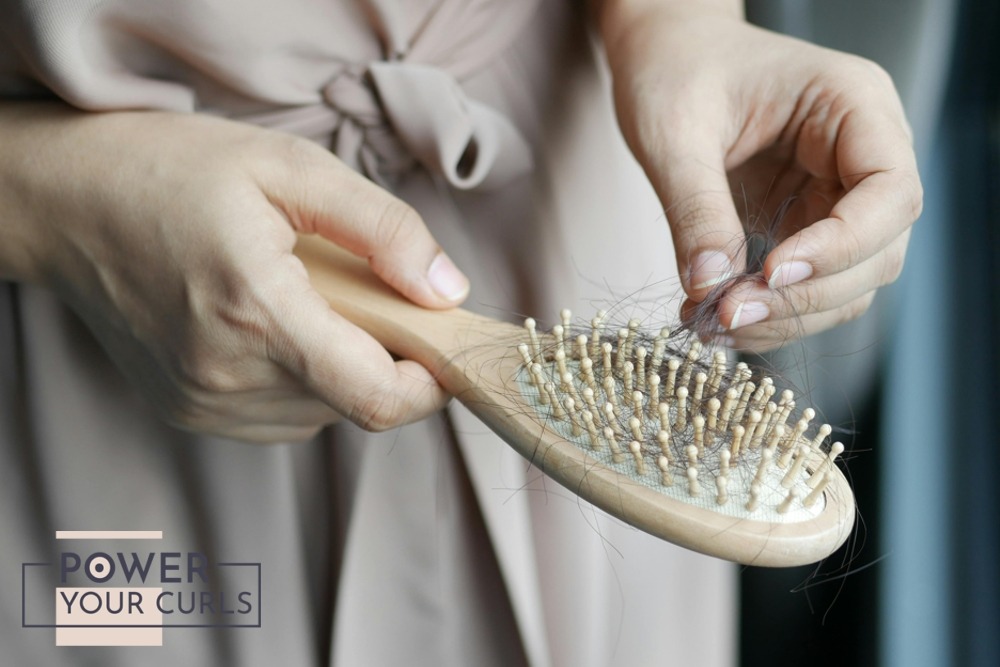
Whenever you take a shower, you may notice some strands of your hair getting caught in the drain, while this may be normal to some, for others it may be a sign of hair loss. In a global study focusing on hair loss statistics, Medihair, a leading platform for medically proven hair loss treatments, revealed that hair loss affects 85% of men and 33% of women.
So, what can you do about it?
What Is Hair Loss?
Hair loss, medically known as alopecia, can occur on the scalp or throughout the body and may be either a temporary or chronic disorder. The causes of hair loss vary and can include environmental factors, hereditary factors, hormonal changes, certain medical disorders, or just the natural aging process. While hair loss can affect anyone, it appears to be more prominent in males.
On average, a healthy individual loses roughly 100 hairs daily as part of the hair growth cycle, when new strands replace those that are shed. However, experts classify hair loss as alopecia if it surpasses this usual rate without regrowth.
Choosing The Best Treatment
Although hair loss affects a significant number of the population, seeking treatment can become overwhelming. There is no “one-size-fits-all” solution for hair loss, and treatment can vary from person to person. The best way to determine the most appropriate treatment for you is by seeking a licensed professional.
Medical History
To uncover the underlying reasons for hair loss, dermatologists often engage in a broad line of questioning. They inquire about the patient’s onset of hair loss, the pattern of hair loss, typical hair, and any familial history of hair loss. They may also explore other symptoms that could provide further insight into the condition.
Doctors will also look into other seemingly unrelated aspects of the patient’s lifestyle, such as food habits or if they’ve recently given birth. After taking into account all of this information, doctors typically perform a physical examination to determine a proper diagnosis regarding the reason for hair loss.

Diagnosis and Testing
Once the trusted medical professional finishes conducting the initial interview and examination, they will move on to testing the patient’s hair health. Different tests help determine the cause of a patient’s hair loss. Depending on the situation, they may need to undergo more than one of the following tests:
The Hair Pull Test Or Hair Tug Test
Just as the name implies, this test involves your doctor gently taking small sections of hair from different parts of the head and lightly tugging at the strands. If more than 10 hairs fall out, then it is likely that the patient is experiencing some form of hair loss.
This test can also help determine the severity of hair loss and identify follicle-related causes.
Blood Test
In diagnosing hair loss, blood tests help find the cause by detecting possible underlying medical conditions such as certain nutrient deficiencies and hormonal imbalances that can cause the hair to thin and fall out, or hinder proper hair growth.
Scalp Biopsy
This procedure involves a trusted medical professional taking a sample of skin and hair follicles, then sending them to a lab to determine the cause of hair loss.
Some people may feel discomfort when the anesthetic is injected into the area for a scalp biopsy, even though the procedure itself is not considered painful.
Light Microscopy
In light microscopy, visible light passes through a specimen and is bent through a lens system, allowing professionals to see a magnified image of the specimen.
In cases of hair loss, light microscopy is used to detect any abnormalities in the hair and scalp, including infections and infestations.
The Types of Treatments
Depending on the underlying cause and severity of hair loss, the doctor may prescribe medication, suggest medical procedures, propose surgery, or a combination of these options.
Medication
Often the first line of treatment against hair loss is over-the-counter medication. Doctors usually prescribe these types of medication for male-pattern baldness.
Minoxidil
Minoxidil is a medication that is applied directly to the scalp in order to stimulate hair growth. Experts believe that Minoxidil reduces the telogen phase, prompting dormant hair follicles to move into the anagen phase.
Please note that minoxidil does not produce instant results; you might need to use it regularly for up to four months before you notice any visible changes.
Finasteride
Finasteride is a medication that’s primarily used in the treatment of benign prostatic hyperplasia, but was found to be effective in reducing hair loss and promoting new hair growth.
This medication works by hindering the hormone responsible for male-pattern baldness, dihydrotestosterone (DHT). This is also the reason why finasteride is not recommended for women’s use as it can cause serious side-effects such as affecting libido, irregular menstrual cycles, and in pregnant women it was seen to cause birth defects.
Spironolactone
Traditionally used in the treatment of hypertension and heart failure, spironolactone was discovered to reduce hair loss when women suffering from polycystic ovarian syndrome (PCOS)* noticed that taking the medication had the said side effect.
Spironolactone is primarily marketed as treatment for female pattern baldness, and is more effective when taken together with minoxidil.
*As of May 12, 2026 Polycystic Ovarian Syndrome has been renamed Polyendocrine Metabolic Ovarian Syndrome (PMOS)
Oral Dutasteride
Much like the previous items on this list, oral dutasteride was not originally created as a means to treat hair loss. Instead, much like finasteride, it was created to medicate benign prostatic hyperplasia and symptoms of an enlarged prostate.
Unlike finasteride though, dutasteride is not a recognized medication for hair loss and is often prescribed off-label.
Due to dutasteride’s similar mechanism of action to finasteride, it is also not recommended for women’s use.
Clinical Treatments
In some cases of permanent hair loss that topical or oral medication can no longer treat, clinical treatments like surgery or therapy offer the best chance of restoring an individual’s hair.
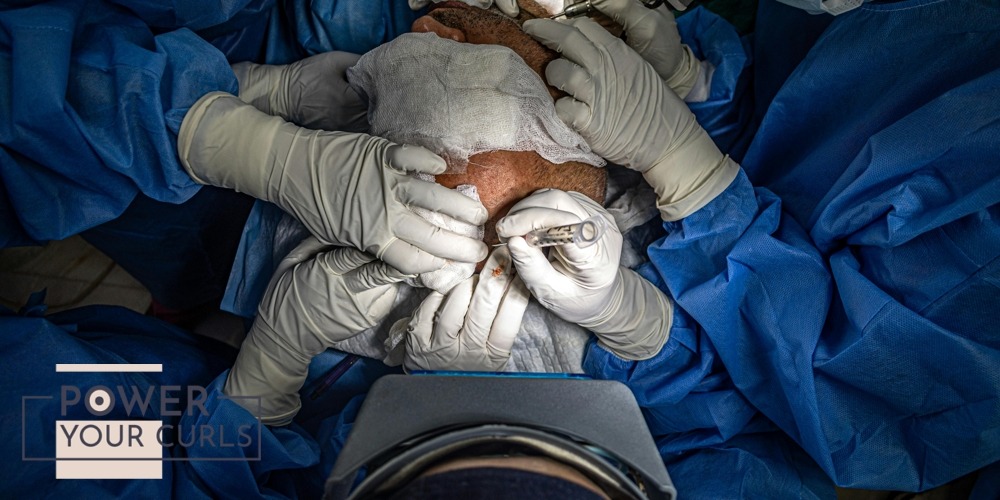
Hair Transplant Surgery
Hair transplant surgery is often the last option for individuals who have tried other means to restore their hair.
The process of hair transplant surgery involves taking skin grafts from areas of the body that have healthy hair growth. The surgeon transplants these grafts onto the hairless parts of the scalp, and over time the skin will heal and continue to grow hair.
Low-Level Laser Therapy (LLLT)
Low-Level Laser Therapy is a non-invasive treatment that works by using low-level lasers or light-emitting diodes (LEDs) to distribute red light and near-infrared light to the scalp with the goal of supporting hair growth.
A study published in the National Library of Medicine, which investigated the Role of Low-Level Light Therapy (LLLT) in Androgenetic Alopecia, stated that the treatment showed comparable effectiveness to minoxidil. Furthermore, the study indicated that combining LLLT and minoxidil for treatment resulted in even greater efficacy.
Wrap Up
Effective treatments for hair loss include both medical and clinical options. Hair loss, or alopecia, can arise from various causes such as genetics or hormonal changes. Doctors diagnose the condition through patient history and tests like blood tests or scalp biopsies.
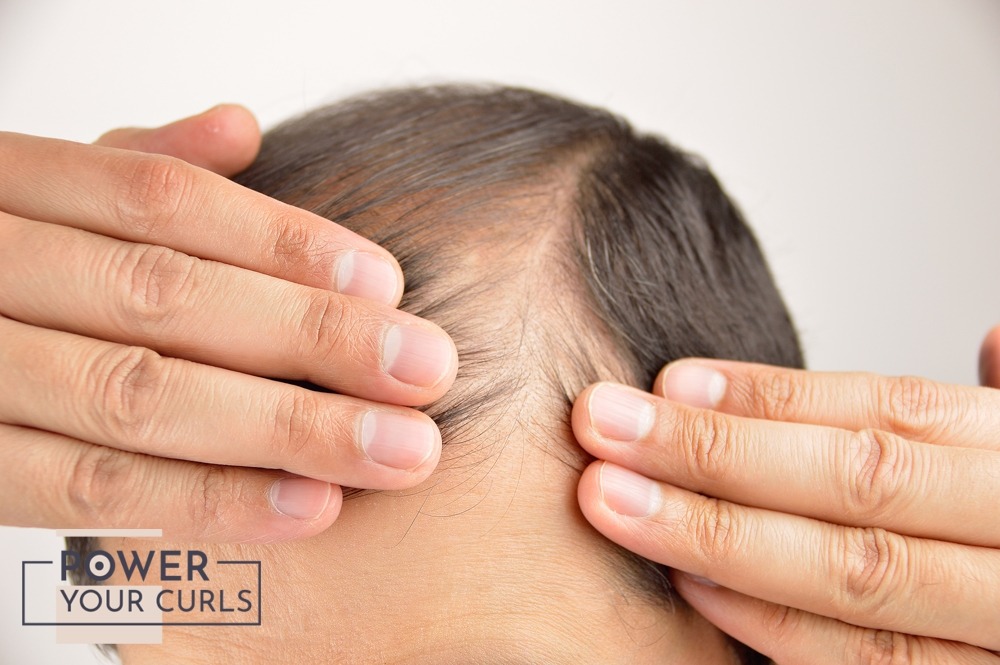
Treatment options vary based on the individual and may include medications like Minoxidil, Finasteride, or Spironolactone, as well as surgical interventions like hair transplant surgery or Low-Level Laser Therapy. Seeking professional advice is crucial to determine the best treatment approach for hair loss.
Disclaimer
Power Your Curls Pty Ltd. and all of its content are for informational purposes only. All information is believed to be accurate at the time of posting and should NOT be taken as professional medical advice. Please seek a medical professional in the event of pain or injury.
