
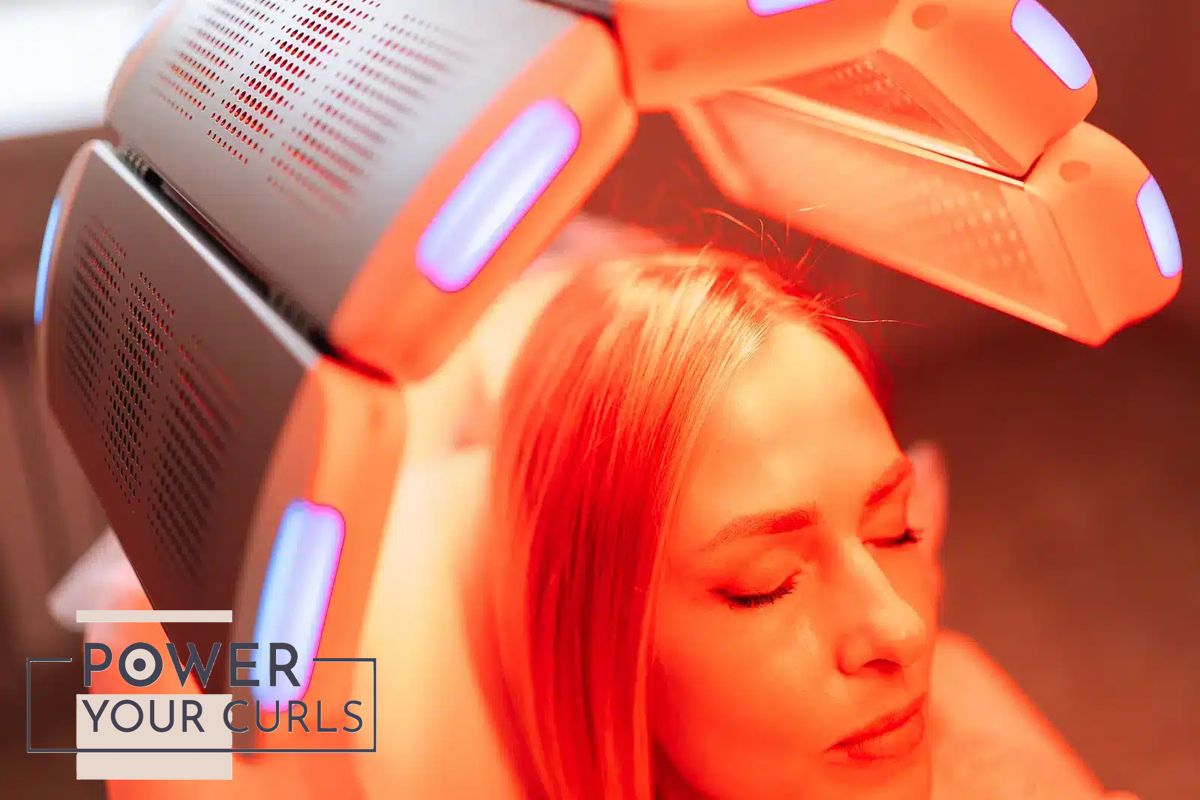
With hair growth, science saw potential in a specific wavelength of light. Red light therapy, a medical-grade tech enhancer, has been in the mainstream for a couple of years now.
It’s a simple procedure that requires no chemicals and gives you no pain. And yet, research shows its significance at the molecular level. Clinical data shows that consistent use of a dermatologist-recommended device results in thicker, healthier hair for most candidates.
In this article, we’ll go in-depth on how red light therapy may work for you and your regrowing tresses. Let’s start with the basics, like what red light therapy is.
- What is red light therapy?
- what does the research on red light therapy say?
- Who can benefit from red light therapy?
- red light therapy vs. other hair treatment options
- red light therapy at-home vs. clinic: what's the difference?
- how does red light therapy work?
- when will you see results after red light therapy?
- red light therapy + other treatments: the best solution
- Does red light therapy have any risks/side effects?
- how to do red light therapy the right way
- common mistakes with red light therapy
- does red light therapy regrow hair?
- red light therapy for hair growth statistics by country
- frequently asked questions (FAQs) about red light therapy
What is red light therapy?
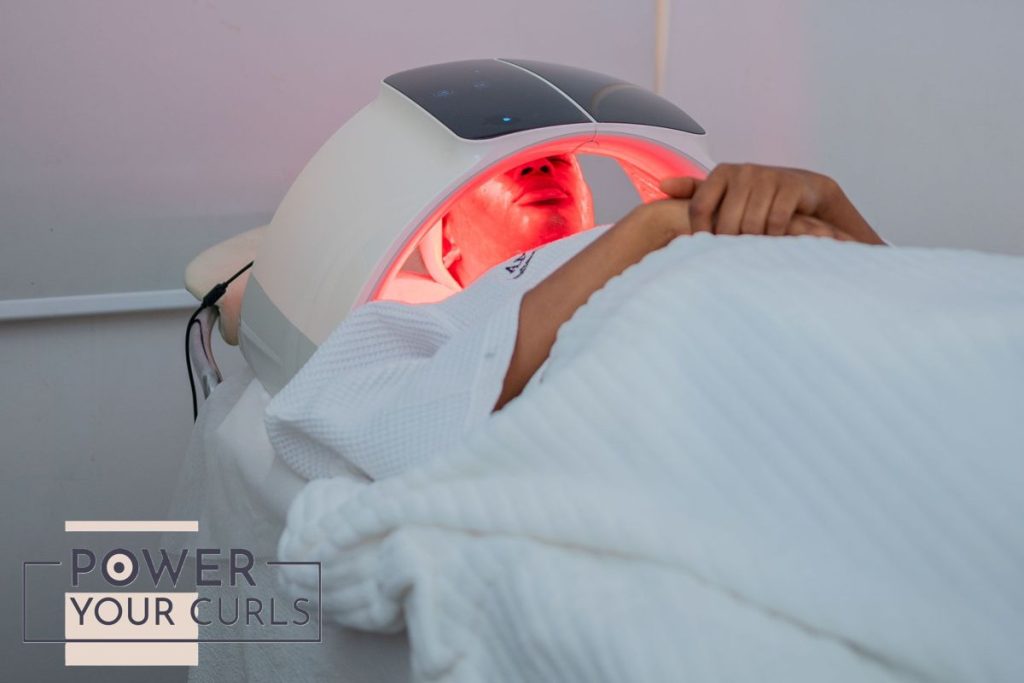
Red light hair therapy is where you expose your curls to a specific wavelength of light which emits red rays. This procedure stimulates cellular repair by jumpstarting your dormant hair follicles, leading to faster and fuller hair regrowth. There is also growing research on how the visible red light spectrum can boost blood circulation. It can even keep your hair in the active growth phase for longer.
NASA’s LLLT (low-level laser therapy research and Endre Mester’s 1967 experiments form the foundation of this technology. Medical-grade red light therapy targets thinning areas without generating heat or causing skin pain. One client described the sensation as light hitting a plant, as it remains perfectly cool.
Since it is considered low-level light therapy, it is also non-invasive and chemical-free. Many women now prefer this dermatologist-recommended red light therapy for hair over daily minoxidil. Clinical observations show consistent sessions create the ideal environment for thicker, denser hair.
what does the research on red light therapy say?
Researchers have made rigorous clinical hair trials to confirm the significance of red light therapy. These trials involve placebo-controlled, double-blind studies between both men and women’s hair health for accuracy.
All findings are evidence-based to set realistic expectations for current and future patients. Here is what the numbers show about several critical success factors:
- Terminal Hair Density: A major 2014 study showed a 35% to 39% increase in hair counts over 16 weeks.
- Treatment Duration: Most successful protocols follow a 16-week to 24-week treatment protocol for visible changes.
- Light Output Levels: Efficient red light therapy devices give out three to five (3-5) joules of energy per cm2
- Schedule Consistency: A 128-participant study saw statistically significant improvement in hair density after 80% compliance to a six month (schedule) density after 80% compliance to a six months (schedule)
Using trichoscopy and photographic evidence, these clinical observations are (consistent) with other large-scale trials. The research also utilized the Hamilton-Norwood and Ludwig scales for better representation of the data.
Who can benefit from red light therapy?
Individuals who have early to moderate hair loss will benefit greatly from red light therapy. The treatment specifically targets viable follicles that are thinning but not yet completely dead.
In the clinic, we find that catching miniaturization early yields the most dramatic density improvements.
- Alopecia Areata: Red light therapy can regulate the immune response in the scalp to promote healthy regrowth from hair patchiness
- Androgenetic Alopecia: This therapy can ease male and female pattern baldness by targeting follicle shrinking
- Telogen Effluvium: The light from this treatment can nudge resting follicles into the active hair growth phase after one session
- Traction Alopecia: The treatment assists in the restoration from physical stress, styling, and heat-damaged follicles
We often see limited results with scarring alopecia where the follicle is gone. One client reported that their dermatologist-recommended red light therapy for hair growth after a massive shedding event. It is essential to have dormant hair follicles present for the photons to trigger.
red light therapy vs. other hair treatment options
Unlike traditional hair treatments, red light therapy doesn’t use any surgery nor chemicals in the procedure. In fact, it’s one of the least intrusive hair treatments on the market with no systemic side effects.
Our hair care experts often recommend this remedy if a patient is looking for medical-grade effects. However, there are more common hair treatments for individuals who seek other options. Such treatments include:
- Minoxidil: It is a popular topical medication for baldness in both men and women to stimulate hair growth
- Finasteride: This is an oral treatment for male pattern baldness that can also be used for benign prostatic hyperplasia
- Micro-needling: A hair therapy like this requires the creation of minor scalp injuries to activate collagen synthesis
- PRP Therapy: also known as platelet-rich plasma therapy, this regenerative hair treatment injects platelets into the scalp
- Hair Transplant: It is a surgery that involves implanting healthy hair follicles from donor areas of the body
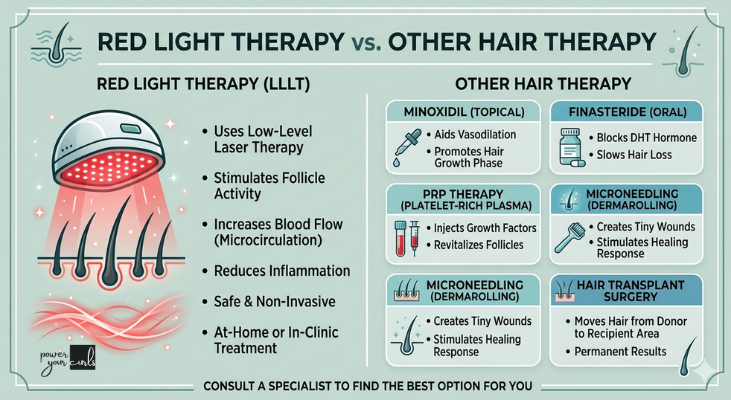
With the other hair therapies in mind, the best course for success is a combination treatment with red light therapy. Some specialists even saw a visible increase in hair density when pairing micro-needling with red light sessions.
According to science, these therapies above effectively complement red light therapy. Combination therapy like this may lessen inflammation while speeding up recovery time. This remains the preferred choice for patients seeking therapy for treatment-resistant hair loss.
red light therapy at-home vs. clinic: what’s the difference?
A therapeutic option like red light therapy is accessible enough to have both potential clinical and at-home sources. However, these two are not entirely the same in effectiveness and reliability. Below, we have compiled their differences and benefits. Let us help you decide which would work better for you and your hair care journey.
what’s clinical red light therapy like?
Red light therapy in a clinical setting is heavy-duty with the bonus of medical supervision. This ensures that your scalp gets the right amount of light exposure. The other considerations of clinical red light therapy are as follows:
- Elevated Intensity: Clinical equipment can deliver a more concentrated dosage of red light for therapy
- Expert Guidance: Dermatologists can position the LED device while monitoring the patient’s vitals
- Higher Price: Multiple sessions require more and more office fees
Our hair care experts often find that patients experience faster early results after taking this route. Keep in mind this is before they transition to at-home hair maintenance.
what’s at-home red light therapy like?
People with busy schedules prefer to have more control over their red light therapy sessions. At-home treatments provide patients with routine efficiency along with private convenience. Here are the pros and cons of red light therapy at home below:
- Compliance Control: Successful results rely entirely on the patient’s ability to maintain consistency with red light sessions
- One-off Expenditure: Purchasing affordable LED devices for home therapy sessions saves money long term
- Total Convenience: Red light therapy devices in your home gives you flexible treatment schedules
One client reported that using their LED helmet during morning coffee made the sessions feel effortless. Research finds that this high level of portability at home leads to the best treatment compliance.
how does red light therapy work?
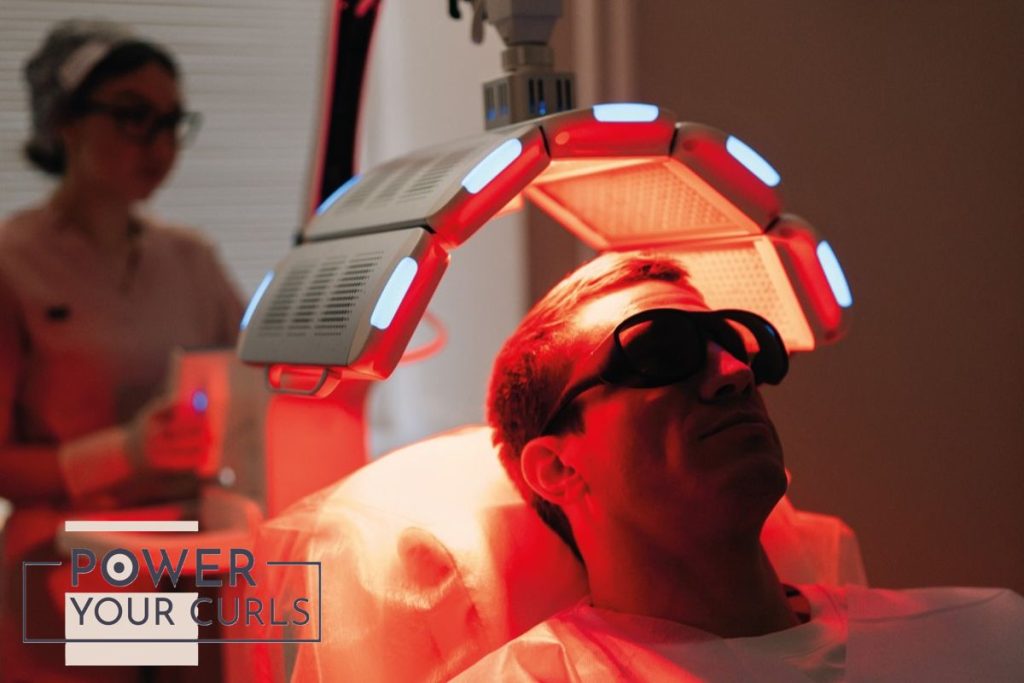
To get the most out of your sessions, prepare the scalp and maintain specific light exposure times. Sticking to a routine helps ensure that the photons effectively reach the dermal papilla. It’s best to follow all the steps for optimal results with your hair regrowth.
Since this is still a medically recognized treatment, there are protocols you should follow before proceeding. Here is the step-by-step process below:
- Skin Consultation: Check your scalp for complications like active scalp infections or sensitivities to medications
- Scalp Preparation: Make sure that your hair and scalp are dry and clean so the light can reach deep enough
- Device Positioning: The helmet or the laser cap of the device should be steady at the right and safe distance
- Exposure Duration: Each red light therapy session should last a maximum of 20 minutes for maximum growth
- Aftercare Routine: After every session, avoid over-styling your hair and try to maintain proper scalp hygiene
We often see better results when patients treat sessions as a non-negotiable medical appointment. One client reported that consistent positioning helped resolve thinning specifically at their crown area. Proper post-session care keeps the follicles ready for your next session.
when will you see results after red light therapy?
Typically, you’ll see visible hair growth after three to six (3-6) months of consistent red light therapy sessions. During this time, the hair growth will be gradual, only seeing noticeable results weeks at a time. The progression of hair regrowth after red light therapy is as follows.
- 1-4 Weeks: There is an initial shedding phase for the weak hairs during the first few weeks of treatment
- 12 Weeks: Daily hair fall will significantly reduce during this phase, according to our customers
- 4-6 Months: After a couple of months, new hair regrowth will emerge and hair thickness will improve
- Maintenance Phase: With consistent red light therapy, your hair’s progress will continue as scheduled
We often see patients panic during the early shedding, but this is a positive sign. It means that follicles are pushing out old strands to begin the anagen phase. One client reported a total transformation in hair density after hitting the six-month mark.
red light therapy + other treatments: the best solution
Red light therapy works best when paired with other medically backed hair restoration treatments. The combination creates a complementary effect on hair growth. It targets hair loss from multiple biological angles, producing the most effective results.
In the clinic, our hair care specialists found a multi-modal plan works best with red light therapy and the following:
- Microneedling: An instrument like a derma roller can trigger the healing process while the light therapy speeds up cellular repair
- Minoxodil: A topical medication like Minoxidil can penetrate follicles more effectively with the help of red light therapy
- Nutritional Supplements: Supplements like biotin or saw palmetto can support follicles from the inside while the light therapy does its job
These three other accompanying treatment options work wonders on scalp growth and then some. Several treatment-resistant cases respond more effectively with a pairing of red light therapy and one of the treatments mentioned above. There is even research confirming how these therapies together can prolong the anagen hair growth phase.
Does red light therapy have any risks/side effects?
No, red light therapy does not have any major clinical side effects. This process is a safe treatment that uses UV-free red light to energize dormant cells in the scalp. Because of this, there is little to no damage to the client’s cells to DNA.
However, there are some side effects that range from harmless to rare. Some of these secondary effects include the following:
- Photosensitivity: A rare contraindication for those on specific photosensitizing medications or with light-sensitive disorders
- Scalp Warmness: A brief but mild warm sensation in the scalp because of better localized blood circulation
- Transient Erythema: A sudden redness of the treatment area which will fade an hour after the therapy session
We often see that overexposure does not improve results and may cause slight fatigue. One client reported mild eye strain before we provided better eye protection during their sessions. Always consult a professional if you have a history of skin cancer or active scalp lesions.
how to do red light therapy the right way
Optimal results require a consistent frequency of three to five sessions per week. This schedule provides the necessary photon energy without overwhelming the follicle’s metabolic capacity.
In the clinic, we find that clinical adherence is the strongest predictor of regrowth success. For every session, follow these easy guidelines below to ensure red light treatment success:
- Clean, Dry Scalp: Remove product buildup and excess oils to give way for the red light therapy to penetrate through the scalp
- Proper Hair Parting: Use a comb to bring out the thinning areas, making sure they get enough red light exposure
- Device Placement: place the LED therapy device at a distance of 6-12 inches from the scalp for every red light session
- Session Duration: Limit each red light therapy exposure to only 10-25 minutes per session to avoid treatment plateau
We see patients struggle when they stop sessions after seeing initial growth. Discontinuation effects can lead to a slow return of thinning as cellular ATP levels drop. One client reported much better results after they switched to a clean scalp routine.
common mistakes with red light therapy
To get the best results, watch out to ensure your follicles receive the maximum light energy. Improper usage often blocks photons from reaching the scalp, leading to hitting a wall. We find that small technical adjustments often reignite stalled growth.
- Blocking the Light: Applying the device over thick hair without using a hair parting technique.
- Improper Device Distance: Holding the LED therapy device beyond the 12-inch mark will reduce the light’s impact
- Inconsistent Scheduling: Inconsistencies from the typical 3-5-sessions-per-week schedule will hinder your hair’s progress
- Unrealistic Expectations: Stopping treatment before the twelve-week benchmark because results are not instant.
One client reported no progress until they moved their sessions to a clean, dry scalp. Research shows that residues from heavy styling products can scatter light and reduce efficacy significantly. Consistency is the biggest factor to avoid the negative effects of early discontinuation.
does red light therapy regrow hair?
Yes, red light therapy can regrow hair. It does this by reviving dormant follicles through stimulation at the cellular level. This medical-grade technology provides a clinically proven hair regrowth method for many patients.
Research finds most users reach a visible improvement threshold by week sixteen. Successful hair growth and regrowth will depend on the following physiological factors and their corresponding expectations:
- Majority Regrowth Cases: Most, if not all, participants of red light therapy experience a measurable increase in hair count and density
- Partial Regrowth Cases: Some consumers see different results, like stabilized hair loss instead of substantial new hair growth
- No Regrowth Cases: Patients with dead follicles and total baldness won’t see results in terms of hair growth because of these underlying factors
- Maintenance Dependency: Lasting effects from red light therapy will rely on the continuation of sessions to prevent follicle shrinking
Patients with early-stage thinning can often receive the best results through this treatment option. Our experts have also seen improved hair crown density after six months of consistent red light therapy. However, this therapy won’t work with non-existent follicles.
red light therapy for hair growth statistics by country
According to global clinical data, the effectiveness of red light therapy varies significantly by country and the like. The other factors that define the statistics involve things such as technology access, prevalence of regional hair loss, etc.
The figures also reflect where in the world red light therapy is a standard dermatological recommendation now. These countries also have the highest level of priority in science-backed, non-invasive hair growth wellness tools.
The table below showcases the estimated market relevance and adoption of red light therapy in 10 key countries:

In our clinic, we observe that fast medical-grade hair-growth devices are a priority for our UAE clients. One client in Dubai reported switching to red light after realizing it offered a visible improvement without the side effects. Research confirms that the Middle East is currently one of the fastest-growing regions for luxury at-home hair therapy.
frequently asked questions (FAQs) about red light therapy
will red light therapy really help grow hair?
Yes, it can help grow hair by stimulating and ultimately reviving dormant follicles. After consistent sessions of red light therapy, there is 35-39% increase in hair count according to clinical data. However, this is only possible for early-to-moderate hair thinning.
how long will it take for red light therapy to grow back hair?
Based on research and in-clinic experience, patients who undergo red light therapy typically see reduced shedding in 12 weeks. Visible improvements in hair density require a consistent 16-24-week therapy schedule to take effect. Remember to have 3-5 sessions a week to keep your follicles alive and active.
is red light therapy real or not?
Red light therapy is real, and scientifically proven to boot. There have been numerous double-blind clinical trials that can confirm this therapy’s effectiveness. It’s also FDA-cleared and dermatologist-recommended, especially as a non-invasive hair therapy option.
is red light therapy right for your hair?
If you’re experiencing early or moderate hair thinning, then this could work for you. It can restore your hair density by stimulating follicles without the use of surgical needles or blades. We use a trichology assessment to confirm treatment suitability first.
Your success depends on meeting several specific candidate selection criteria:
- Diagnosis: Best results occur with androgenetic alopecia or telogen effluvium cases.
- Follicle Viability: The scalp must still contain active, though miniaturizing, hair follicles.
- Commitment: You must be prepared for a long-term commitment to consistent sessions.
We often see that patients who start early achieve a better cost-benefit analysis. One client reported that choosing this drug-free alternative saved them from years of topical irritation. Research suggests consulting a board-certified dermatologist helps set a realistic hair loss diagnosis.
