

The reason for the existence of curly hair care is, well, curly hair. With its high structural porosity and oval-shaped follicles, curly hair is inherently (and biologically) unique. Its overall structure makes its terrain more treacherous for natural oils to travel down the hair shaft. As you can imagine, this leads to frizzy and dry curls.
To handle this collective dilemma, your curls require moisture to seal in hair cuticles. Because of the porosity of curly hair, it loses much more water than straight hair. Focus on low-friction detangling and sulfate-free products to keep your natural curls defined and healthy.
In the clinic, we see that most people struggle because they treat curls like straight hair. One client reported a total transformation just by switching to a microfiber towel. Scientific research shows that protecting the hair’s internal protein bonds is the only way to maintain bouncy curls long-term.
Are you having trouble on where to start on your curly hair care journey? Learn from our curly hair care experts below. But first, let’s look into the fundamentals of curly hair, which includes its internal makeup.
Why Curly Hair Is Hard to Manage: Dryness, Frizz, and Control
Curly hair is hard to manage because its structure prevents natural oil distribution. The spiral shape makes it harder for natural oils to travel down the hair strand. In the clinic, we find the tightest coils often lack protective lipids. This anatomical reality makes dry, curly hair a permanent biological state, not a choice.
Frizzy curly hair occurs when raised cuticles seek moisture from the humid air. Gaps in the hair shaft allow water to enter and swell the cortex. We often see clients struggle with volume that lacks any defined shape. In order to maintain structural integrity, these gaps need to be sealed with good curly hair care products.
As we have mentioned before, a moisture-first method is pivotal when you’re learning proper curly hair care. For example, adding a leave-in conditioner to your routine can hold in the hydration, while in humidity-rich environments. This step alone can provide you with enough control without resorting to expensive and possibly damaging salon treatments (straightening, etc.).
If you’re having trouble where to start, we recommend a low-friction detangling routine for beginners. High-porosity strands snap easily when brushed while dry or under-lubricated. Research shows that wet-combing with a wide-tooth tool reduces breakage by half.
How Does Curly Hair Differ From Straight Hair?
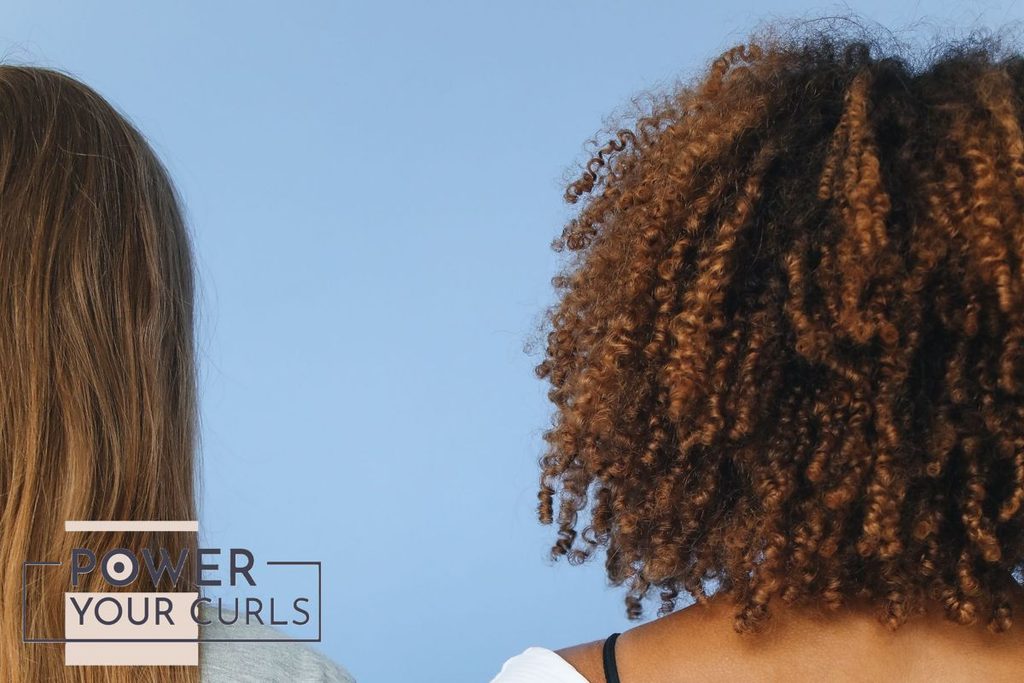
Compared to regular straight hair, curly hair has elliptical shafts and asymmetrical follicles. An oval follicle shape forces the hair to grow at an angle. The flatter the hair shaft, the tighter the coil. The way your hair twists changes how moisturizers and styling products behave with your unique curl pattern.
Straight hair allows sebum to slide down the shaft with ease. Gravity and a smooth surface ensure oils reach the tips of your hair quickly. We often see straight-haired clients complain of oily roots within twelve hours. Conversely, the twists in curly hair make it a long, winding journey for your natural oils to reach your ends. This was the major complaint of our clients without a proper curly hair care routine.
Curly hair bends because the distribution of the internal bonds inside each strand is uneven. These chemical links concentrate on one side to pull the strand into curves. Research shows that this internal struggle in the hair strands creates tension. Curly hair has higher internal tension inside each strand, making it more prone to snapping. This tension makes naturally curly strands more prone to snapping under pressure.
Curly hair is physically more porous than straight hair at every twist and curve. The outer layer of the hair lifts slightly at each bend in the hair fiber. We find that these “entry points” make curls lose hydration much faster. Because of this unique structure, curls crave a different kind of TLC. This is why curly hair needs special care, like curly hair care specifically, to remain healthy.
Why Curly Hair Needs More Moisture?
Curly hair needs more moisture because its raised cuticles allow internal water to evaporate. This structural gap creates a high-porosity environment where hydration escapes into the air. In the clinic, we observe that dehydrated curls lose their elastic bounce almost immediately.
Water helps keep each hair strand flexible and less likely to break. Without enough moisture, the proteins inside the hair strand become stiff and brittle. Researchers found that dry, curly hair snaps under 30% less tension than hydrated strands.
Frizzy curly hair is a direct physical cry for more internal hydration. When hair is dry, it expands to grab moisture from the atmosphere. We often see this cause the halo effect, where curls lose all definition.
Applying curly hair care products to soaking wet hair works much better. This method traps water inside the shaft before you apply your hair styling sealants. Many curl experts recommend applying products to soaking wet hair to keep their natural curls soft for several days.
How to take care of curly hair naturally involves using humectants like glycerin. These ingredients pull water into the hair to counteract the lack of natural sebum. Experts often recommend that consistent moisture layering is the best hair routine for growth.
Men’s curly hair care often fails due to skipping these steps. Even short curls require a dedicated hair conditioner to prevent a rough, straw-like texture. Proper moisture management is the only way to maintain healthy, bouncy curls daily.
What Type of Curly Hair Do You Have?
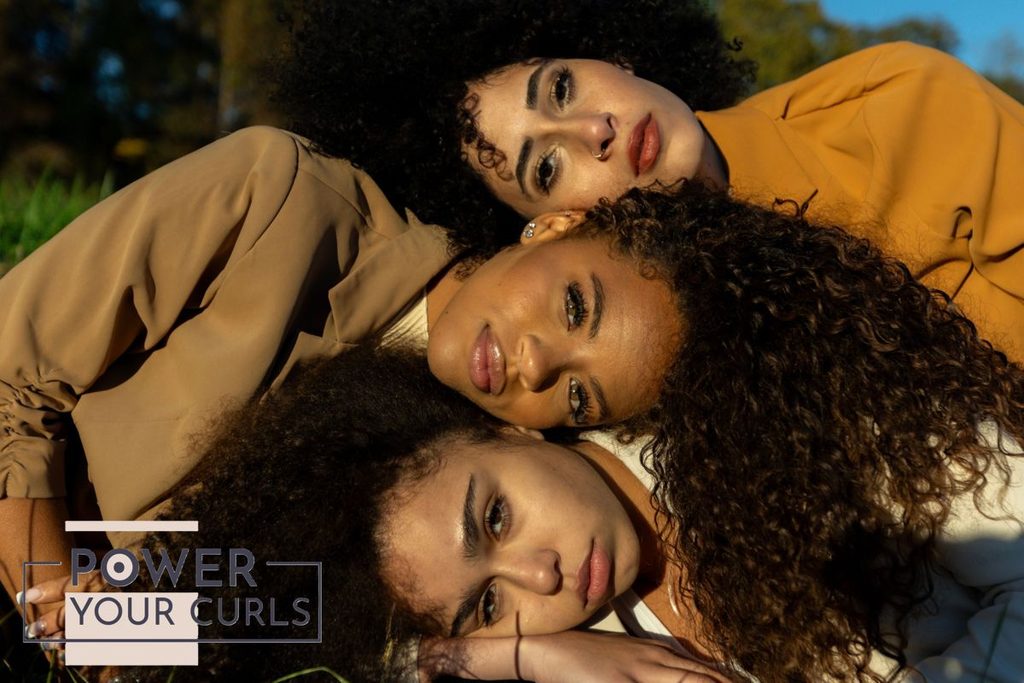
Identifying your curl type depends on the diameter and shape of your follicle. Your hair’s unique pattern determines how much sebum reaches the ends of each strand.
Most stylists use a simple Type 2–4 system to classify curl patterns and understand how they respond to moisture. The classification (other term for classification) will help you decide which curly hair care products will work better for you and your hair type:
- Wavy Hair (Type 2 Hair): This hair type showcases, instead of tight spirals and full coils, looser S-shaped swirls. Hair strands like these usually lead to flat hair and oily roots since sebum can travel easily over them. To lighten the load on these natural waves, lightweight hair styling products work best.
- Curly Hair (Type 3 Hair): This hair texture’s distinct structure is tighter curls and corkscrews, ranging from loops to ringlets. The spiral shape creates moderate gaps in the cuticle, making this type prone to frizzy, curly hair. You’ll notice an immediate difference once you swap to using a rich hair conditioner that helps restore curl definition.
- Coily Hair (type 4 Hair): This pattern ranges from tight Z-shaped zig-zags to small, dense coils. Its high-porosity nature causes internal moisture to evaporate rapidly, leading to dry curly hair. Reach for rich butters and oils to ‘lock in’ that hydration to protect these fragile, naturally curly strands.
You don’t know what type of curly hair you have? We got you covered! Take the quiz below to finally know your curly type today.
Discover Your Curl Type
Answer 7 quick questions to unlock your curl pattern and personalized care routine.
How does your hair feel when dry?
No products, no styling — just your natural hair.
How does your hair absorb moisture?
Think about how quickly it gets wet in the shower.
How thick or thin is your hair?
Take a single strand — how does it feel between your fingers?
How does your scalp usually feel?
By day 2 or 3 after washing.
How frizzy does your hair get?
On a typical humid day without any products.
What’s your biggest hair goal?
Choose the one that matters most right now.
How much time do you have for your routine?
Be honest — we’ll tailor tips to your lifestyle.
About Your Curl Pattern
✦ Care Tips For You
Recommended Product Types
With whichever hair type you’re in, the key to curly hair care is the right balance between volume and moisture. There are even simple and more detailed routines per hair type as well. The moral of the story is to understand the hair type you have. In doing so, you’ll have the first building block in building your successful curly hair care routine.
Harmful Curly Hair Care Habits
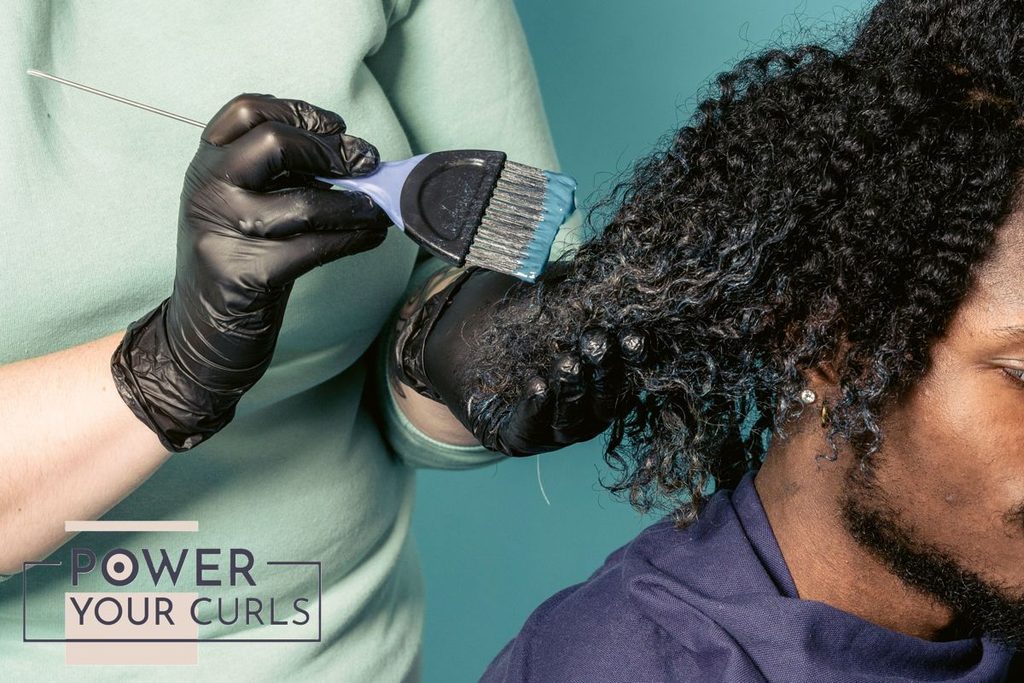
Handling your curls roughly or too much friction are usually the causes of curly hair damage. These rub on the hair’s surface, frizzing each part of the hair strand. It makes your hair more vulnerable to breakage.
Ask any stylist, and they’ll tell you that mechanical stress is the leading cause of breakage. This vulnerability is why curly hair needs special care during every step of your routine.
These are the most common curly hair care mistakes beginners make:
- Shampooing Daily: Frequent wash days can strip your hair of its natural oils, leaving your curls brittle and dry. It gets that way because of the harsh surfactants in regular shampoo. We often see straw-like textures in clients who over-clean their natural curls with cleansers like these.
- Dry Brushing: This is the most destructive habit for any naturally curly pattern. Brushing without lubrication forces tangles to snap rather than slide apart gently. Dry brushing is essentially a recipe for breakage, and frizz isn’t just a look. It’s a sign your hair is snapping.
- Using Cotton Towels: Hair can catch on standard cotton towels, regardless of hair type. It’s even more damaging on curly hair. Regular towels can snag on hair shafts like tiny hooks, ripping into each strand. To keep your curls intact and as smooth as ever, silk and microfiber are your best bet.
- Too Much Heat Styling: Prolonged or excessive heat can permanently relax the curl pattern, leaving strands limp and lifeless. Once heat damage sets in, your hair loses its memory and overall bounce. Heat-damaged curls lose their ability to hold their internal moisture effectively.
Curly hair care for beginners involves ditching the rough handling habits immediately. Even the fanciest salon treatment can’t undo heat damage, for curly hair cannot fully reverse heat-related protein damage. The best routine focuses on gentle handling to protect curls and maintain healthy hair.
A Simple Daily Routine for Curly Hair
Your daily routine should focus on keeping water inside the hair and stopping friction from breaking it. When the hair protein stays flexible, it doesn’t snap under the pressure of daily styling.
In the clinic, we’ve found that doing less actually helps curls more than using ten different products. This simple approach keeps your curls bouncy without an expensive salon visit every week.
This simple daily curly hair care routine keeps your curls healthy, hydrated, and bouncy:
- Morning Refresh: Spritz dry curly hair with a bit of water to wake up the products you used yesterday. Water helps the ingredients in your hair styling creams start working again to pull moisture back in. One client reported that a quick 30-second misting significantly reduced morning frizz.
- Finger Detangling: Use your hands to pull apart knots instead of tugging with a plastic brush. This protects the natural curl pattern and stops tiny tears from forming on the hair’s surface. We see way less hair loss on the bathroom floor when people stop using heavy tools on their curls.
- Seal the Ends: Rub a tiny drop of hair conditioner or oil onto just the very tips of your hair. This acts like a raincoat, stopping humid air from ruining your hair routine. Our research shows that protecting the ends is the only way to keep your hair healthy enough to actually grow long.
Curly hair care naturally also means protecting it while you sleep. A silk or satin scarf stops your cotton pillow from sucking the moisture out of your strands overnight. This small habit is the easiest way to wake up with healthy hair that is ready to go.
Expert Tips to Keep Your Curly Hair Healthy
Healthy curly hair depends on strong internal protein bonds and a sealed cuticle. These structures prevent moisture loss and protect against frizz.
In the clinic, we find that pH-balanced curly hair care products are essential for maintaining chemical health. This tried-and-true process below makes sure that your curls are durable against environmental stress:
- Focus On Scalp Health: The groundwork for healthy, springy curls is a clean and balanced scalp. Over time, blocked follicles will lead to weak hair growth and progressing hair thinning. Our curly hair care experts see when our clients use a monthly targeted scalp treatment.
- Lock In With Cold Water: To flatten your cuticles after washing your hair, rinse it with cool water. This basic temperature change seals in the moisture after conditioning, hydrating your curls for longer. This simple shift in your routine will give you more shine even after the first try.
- Apply Bond Builders: Blend in more curly hair care to mend the bonds in the hair cortex. Treatments like these restore your curl pattern, ultimately triggering the curls’ memory even after styling. Research shows these treatments are vital for those transitioning from heat damage.
- Avoid Harsh Alcohols: Check labels for drying alcohols that pull essential lipids from dry curly hair. Look for fatty alcohols like cetyl or stearyl, which actually help soften the hair. We find that avoiding “bad” alcohols is the fastest way to take care of curly hair naturally.
Curly hair care for beginners is easier when you focus on these high-impact habits. Whether you’re a male with curly hair or exploring salon treatments without straightening, these tips work. Following them consistently helps maintain healthy, vibrant curls every day.
FAQs About Why Curly Hair Needs Special Care
Does curly hair need special care?
Yes, curly hair does indeed need special care. Its shape blocks the path of your natural oils to the tips of each hair strand. Your hair will end up brittle and dry to the point of breakage when not given the right treatment. Curly hair care needs to include moisture-rich products and low-friction hair maintenance.
What makes curly hair special?
Curly hair is special because each cluster of curls creates a spiral pattern as they grow out of asymmetrical, oval follicles. This shape of hair is unique in itself. Hence the need for curly hair care specifically.
Can hormones like progesterone alter the hair’s shape?
Yes, hormones like progesterone can alter the shape of hair. Specifically, hormonal fluctuations. The shifts in your hormone levels during puberty and pregnancy can directly influence your curl pattern, research says.
Why do our curls need so much upkeep?
Curly hair is more fragile than straight hair from the get-go. Over time, curly hair’s brittle nature might lead to more permanent environmental damage. Curly-haired individuals need to do curly hair care to maintain the health of each curl as much as possible.
Conclusion
Any curly-haired girl and guy can get beautifully-defined curls. All it takes is low-friction handling with a hydration-focused curly hair care routine. A winning combination like this prevents frizzy and unmanageable hair by targeting dryness right down to the roots. In the clinic, we see that curls only clump and stay defined when the cuticle is flat and fully saturated.
If you are just learning how to take care of curly hair for beginners, focus entirely on moisture retention. A high-quality hair conditioner does more than just detangle; it fills in the structural gaps that make curls feel rough. One client found that just applying products to soaking wet hair doubled their curl “spring” and bounce.
Great curls take time and consistent habits, not miracle products. Avoid rough towels and focus on gentle, curl-friendly practices. These expert shifts are the most reliable way to ditch frizzy hair and keep your natural curls looking their best.
