


Contrary to what most people think, vitamin D is essential for a healthy hair growth cycle. This wonder drug is the biological spark that the anagen phase needs to revamp follicle regrowth. Research consistently links low serum levels to increased shedding and thinning across the scalp.
Does low vitamin D cause hair loss? Yes, insufficient levels stall follicle production, and most people just call this excessive shedding or telogen effluvium. Vitamin D hair loss is reversible once you optimize your 25-hydroxy levels.
We often see significant regrowth and improved thickness in a clinical setting within months of treatment. We find that patients often ignore thinning until it becomes visible.
One client reported heavy shedding that stopped entirely after they addressed their chronic deficiency. Research shows that getting your body back in balance is the fastest way to wake up dormant follicles.
- What is Hair Loss? Common Causes and Contributors
- The Biological Link Between Vitamin D and Hair Loss
- How Do You Become Vitamin D Deficient and How Can You Avoid It?
- Top 10 Unexpected Signs of Vitamin D Deficiency
- How to Diagnose a Vitamin D Deficiency
- How to Treat Vitamin D Deficiency: Nutrition & Lifestyle
- Vitamin D & Hair Loss Statistics Around the World
- How to Grow Your Hair Back After a Vitamin D Deficiency?
- Vitamins and Minerals That Support Hair Health (other than Vitamin D)
- When to See a Doctor About Hair Loss
- FAQs About Vitamin D and Hair Loss
- Take Control of Your Hair Recovery Today!
What is Hair Loss? Common Causes and Contributors
Hair loss happens when your natural hair growth cycle gets knocked out of sync by internal or external stressors. This shift prematurely pushes growing hairs into a resting phase, which leads to the visible thinning or heavy shedding we see every day.
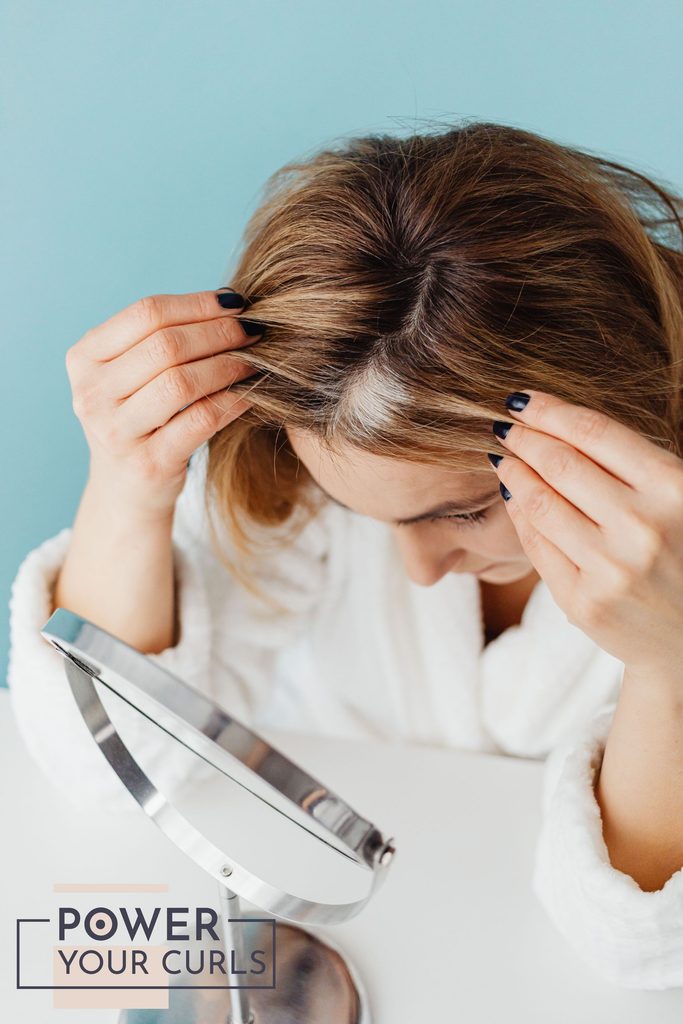
Most cases are non-scarring, meaning your follicles aren’t actually dead. They are just stuck in a dormant state, waiting for the right conditions to wake up.
Primary Causes and Contributors
- Androgenetic Alopecia: This is the most common reason for thinning. It follows a predictable genetic pattern that we see in both men and women as they age.
- Telogen Effluvium (TE): We often see this show up as sudden, intense shedding that happens about one to six months after a major physical shock, like surgery, pregnancy, or a severe illness.
- Alopecia Areata (AA): This occurs when your immune system mistakenly attacks your own follicles, leaving behind those distinct, smooth, round patches on the scalp.
- Nutritional Deficiencies: Falling short on vitamin D, iron, or B12 acts like a silent trigger that forces your hair into the shedding phase way too early.
- Hormonal Fluctuations: Major shifts, like those during menopause or from thyroid issues, frequently cause thinning that spreads across the entire head.
- Physical and Metabolic Stress: Things like high-tension braids or the metabolic shock of losing a lot of weight very quickly can actually halt new hair production entirely.
Finding the exact trigger for your thinning is the most important step because about 73% of these cases are completely reversible with the right approach.
Once a professional pinpoints these biological stressors and you stabilize them, then your hair will grow both figuratively and literally. This will create a healthy environment for the dormant follicles to flourish again.
The Biological Link Between Vitamin D and Hair Loss

Low vitamin D levels directly stall the production of new hair follicles. Think of vitamin D as a biological ‘on’ switch. It’s actually a hormone, and its job is to kick start the growth phase. When that switch stays off, your hair simply can’t keep up its usual volume.
Vitamin D binds to specific receptors within your hair follicles to stimulate growth. Research shows these receptors are essential for the anagen, or active, phase. When levels drop, the follicle prematurely enters the telogen, or shedding, phase.
We often see patients with thinning that mimics pattern baldness. After correcting a vitamin D deficiency and no other added medications, a client noticed significant hair crown regrowth. It’s even true for both men and women.
Based on clinical studies, all sexes experience hair thinning when there are insufficient levels of vitamin D in their systems. Extremely low 25-hydroxy vitamin D levels are often linked to autoimmune alopecia areata.
The immune system also relies on vitamin D to function correctly. A deficiency can lead the body to mistakenly attack its own hair follicles. This link explains why many patients also struggle with unexpected weight gain.
How low does vitamin D have to be to cause hair loss? We typically see issues when levels fall below 30 ng/ml in blood tests. At these levels, the hair cycle slows down, and shedding becomes much more noticeable.
The good news is this isn’t usually permanent. Once those levels are back in the healthy range, the follicles tend to find their rhythm again and resume their natural growth cycle. Once you optimize your levels, the follicles can resume their natural growth timeline.
How Do You Become Vitamin D Deficient and How Can You Avoid It?

Insufficient sun exposure and a lack of nutrient-dense foods are the primary drivers of deficiency. Your body requires direct UVB rays to synthesize this critical prohormone through the skin. Modern indoor lifestyles and heavy sunscreen use often block this natural production process.
Common Ways Your Vitamin D Levels Drop
In the clinic, we find that most people lose their vitamin D “reserve” without even realizing it.
- The “Indoor” Lifestyle: Spending your daylight hours in an office or classroom stops your skin from producing the hormone naturally.
- Natural Skin Pigmentation: Higher melanin levels act as a protective filter, which means darker skin needs much more sun to hit healthy targets.
- Hidden Gut Issues: We often see hair shedding in clients with Celiac or Crohn’s because their bodies can’t absorb nutrients from their meals.
- Biological Aging: As we get older, our skin and kidneys simply become less efficient at making and activating vitamin D for the body.
- Winter Weather: If you live in a northern climate, the sun isn’t strong enough during the winter to trigger any meaningful production.
Simple Steps to Keep Your Levels Stable
Maintaining a steady supply of vitamin D is a professional necessity for keeping your hair in the active growth phase.
- Catching Noonday Sunlight: Even just 10-15 minutes of direct sun a few times a week on your skin can make a huge difference with your vitamin D deficiency.
- Smart Food Choices: Focus on good fatty foods (egg yolks, salmon, etc.) which are an excellent source of vitamin D3, an effective type of vitamin D.
- Strategic Supplements: If a blood test shows you’re dipping below 30 ng/ml, a daily D3 supplement is a reliable way to bridge the gap.
- Checking Your Numbers: I always tell my clients to request a 25-hydroxy test during their yearly physical to catch a drop before it causes thinning.
- Fortified Basics: Swapping to fortified milk or cereal is an easy way to get a little extra dose during your morning routine.
Does vitamin D deficiency cause hair loss for everyone? While individual risks vary, keeping your nutrient tank full is the best defense against the metabolic shocks that stall hair growth. By balancing sensible time in the sun with a better diet, you can keep your growth cycle on track and your hair thick.
Top 10 Unexpected Signs of Vitamin D Deficiency

Identifying vitamin D deficiency is about looking at the big picture. Vitamin D acts more like a hormone than a simple nutrient. It’s connected to almost every system in your body. These minimal red flags show up long before you notice extra hair in your shower drain.
- Bone Pain: Aching bones in the legs and the back is a common sensation when you lack vitamin D. In turn, you have trouble absorbing calcium in the process.
- Delayed Wound Healing: Superficial injuries (like cuts, scrapes, etc.) will heal slower because vitamin D is crucial for new skin cell formation.
- Dental Issues: Like with bone pain, calcium absorption drops. It increases the risk of gum inflammation and weakened enamel.
- Hair Loss: This (patchy shedding) is our main cause for concern right now regarding vitamin D deficiency. Follicles go into hibernation when they don’t get what they need.
- High Blood Pressure: Blood vessels won’t vasodilate properly when they lack vitamin D, potentially triggering hypertension and other circulatory problems.
- Mood Swings: There is a link between low levels of vitamin D and higher levels of seasonal anxiety and depression, since it can help regulate serotonin.
- Muscle Aches: Dysregulated muscle contractions can lead to unfamiliar soreness and even chronic muscular weakness.
- Persistent Fatigue: This isn’t just being sleepy. This level of exhaustion stems right through your core, the kind that can’t be fixed with just a full night’s rest.
- Recurring Illness: When you lack vitamin D, it also means a lack of fuel for your immune system, resulting in getting sick a lot.
- Weight Gain: A reduced supply of vitamin d in the body is associated with increased rates of weight gain and even obesity.
A client reported chronic back pain that vanished after addressing their deficiency through a simple, targeted routine. We often see these systemic issues resolve alongside hair regrowth once the body’s internal balance is finally restored.
How to Diagnose a Vitamin D Deficiency

A serum 25-hydroxyvitamin D blood test is the only definitive way to confirm vitamin D deficiency. This specific test measures the circulating form of the prohormone in your bloodstream. A proper diagnosis like this provides a clear picture of your total vitamin-D reserves from food, supplements, and the sun.
For as accurate a diagnosis as possible, here are the steps:
- Ask for a 25-Hydroxy Test: This test is the benchmark for measuring both D2 and D3 levels in your blood.
- Review the serum levels: The ideal results are between 30 to 60 ng/ml. The individual might be deficient if they have a below 20 ng/ml level.
- Rule out other causes: Pairing this test with a thyroid or ferritin panel makes sure that there are no other triggers for shedding.
- Examine clinical symptoms: A medical professional will analyze your physical symptoms (bone pain, fatigue, etc.) and compare it with your lab work
One client was shocked to find their level was only 12 ng/ml despite having no visible bone pain. Catching a low 25-hydroxy level early is vital because it makes your vitamin D deficiency-hair loss reversible. Always ask for your specific numbers rather than just a normal or fine result from the lab.
How to Treat Vitamin D Deficiency: Nutrition & Lifestyle
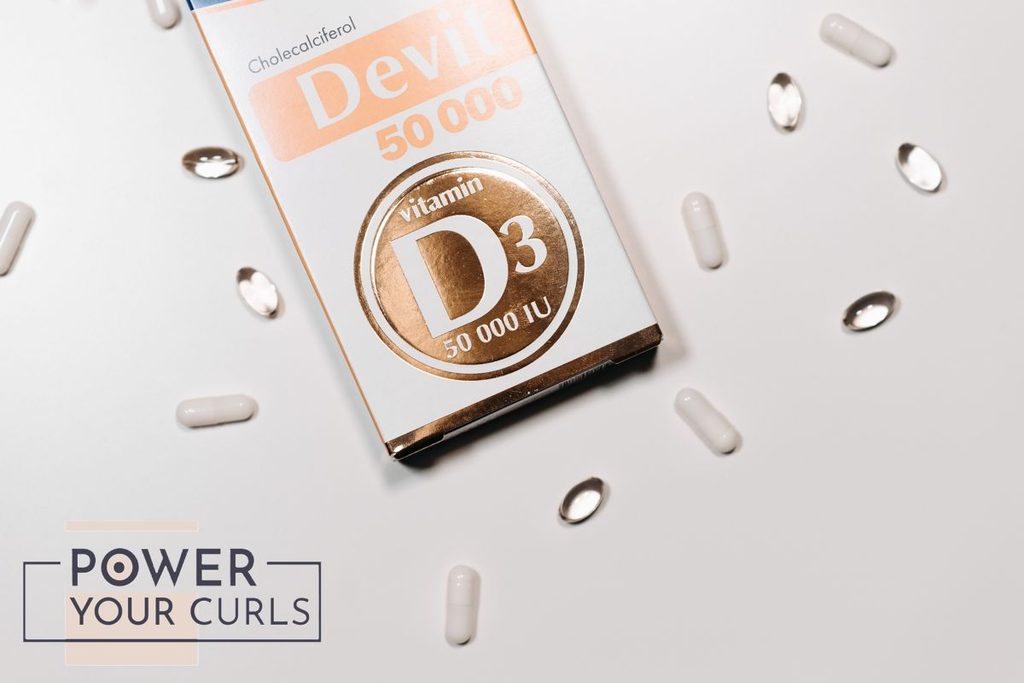
You can easily fix a vitamin D deficiency. Start by adding targeted supplements with specific daily habit changes. This approach secures your blood levels so they can return to the optimal range, waking up dormant hair follicles. We see the best results when patients focus on both their internal chemistry and their lifestyle.
Evidence-Based Recovery Steps from a Vitamin D Deficiency
- Stick to D3 (Cholecalciferol): Always choose D3 over D2 because research shows it’s much better at raising and maintaining your actual blood levels.
- Take It With Fat: A supplement that’s fat soluble like vitamin D has better absorption when you take it with healthy fats (avocadoes, etc.).
- Daily Dosing over Macrodosing: Taking a steady dose of vitamin D (600-2,000 IU) will be more effective than bigger but irregular dosages.
- Eat Fatty Fish: Include salmon, mackerel, or trout in your diet at least twice a week to get a natural, high-quality D3 boost.
- The 15-Minute Rule: Aim for about 15 minutes of direct midday sun on your arms or legs to trigger your skin’s natural protection
One of our clients doubled their levels in just twelve weeks simply by pairing their D3 drops with their breakfast every morning. We often see that this kind of consistency is what finally stops the shedding phase and restarts the growth phase.
Vitamin D & Hair Loss Statistics Around the World

Vitamin D deficiency, being a universal global concern, has links to multiple hair loss issues (alopecia, telogen effluvium, etc.). Since vitamin D plays a key role in hair follicle cycling and growth, populations with higher deficiency rates often show a greater prevalence of hair thinning and shedding.
The statistics table below presents a summary of vitamin D deficiency and their corresponding hair loss risk per given country.

Factors such as climate, cultural habits, and lifestyle were more likely the cause of such distinctions between countries and populations. On the contrary, some countries known for their intense sun (UAE, India, etc.) report the highest deficiency rates here. This might be because of protective clothing, indoor living, and proclivity for limited sun exposure.
Understanding these regional disparities will help highlight how important Vitamin D is when considering hair loss on a global scale.
How to Grow Your Hair Back After a Vitamin D Deficiency?
Once you establish the cause of hair loss is a vitamin D deficiency, correcting it should be your first step. When serum levels stabilize, the follicles receive the hormone signals required to exit their dormant state.

We usually tell our clients to look for the first signs of fuzz or stubble within three to six months. Your biology just needs a little time to catch up with the current change of hair growth plans.
Your Roadmap to Follicle Recovery
We use these practical steps to ensure your before and after hair growth results are permanent. Here are a few easy tips for you to follow for your updated hair care journey:
- Prioritize Scalp Health: Keep your scalp clear and clean to ensure new, fine hairs can emerge without any obstruction.
- Manage Stable Dosages: Don’t cycle through your supplements. Your D3 levels should be steady to stop future shedding.
- Monitor Your Progress: Track faint but progressive density changes by taking photos of your hairline and crown monthly.
- Support with Proteins: Eat enough lean proteins to provide the structural building blocks for the new growth to come in.
- Be Patient with Your Biology: Your hair grows half an inch per month, so significant length takes time and a lot of patience
One client noticed their vitamin D-hair-loss-reversible journey started with small, dark baby hairs after just ten weeks. We often see that it’s like taking the parking brake off your body’s natural growth process.
The body naturally prioritizes hair production again. Keeping your blood levels in that sweet spot for the long haul is the best way to ensure long-term thickness.
Vitamins and Minerals That Support Hair Health (other than Vitamin D)

A balanced intake of specific micronutrients is required for optimal hair follicle function. These elements are the metabolic and structural foundation that can make up healthy (and hefty) hair strands. Our hair care specialists see the best results in patients when they pair vitamin D with the following partner micronutrients:
- Biotin (B7): This vitamin helps produce the main protein that makes the actual hair structure possible, keratin.
- Vitamin C: It helps protect your hair from oxidative stress by supporting collagen production and iron absorption.
- Iron (Ferritin): Crucial for cellular growth and repair, iron delivers oxygen from your bloodstream right to your roots.
- Magnesium: This mineral prevents calcium buildup on the scalp, which can otherwise block hair follicles from thriving.
- Zinc: This is essential for hair growth since it keeps the scalp oil glands functioning and makes hair tissue possible
We often see shedding stop faster when a client fixes both an iron gap and a vitamin D deficiency. Does low vitamin D cause hair loss on its own? Yes, but these other nutrients ensure the new hair that grows back is thick and resilient.
When to See a Doctor About Hair Loss

If your hair loss starts to feel out of the ordinary, it’s time to check in for patchy shedding or scalp inflammation. These signs usually point out an underlying medical issue instead of a straightforward nutritional gap.
We recommend a visit if shedding exceeds 100 strands daily. One client discovered an autoimmune condition after ignoring small, round bald patches for months. Clinical tests like a scalp biopsy or a pull test It’s about getting real answers so you can stop the guesswork.
Does low vitamin D cause hair loss that requires a prescription? If your 25-hydroxy levels stay low despite supplements, a doctor must check for malabsorption. Early detection keeps your hair recovery timeline on track.
FAQs About Vitamin D and Hair Loss

Q1. Will hair loss from vitamin D deficiency grow back?
Yes, you can regrow your hair back after losing it because of a vitamin D deficiency. Regrowth happens typically in 3-6 months when your vitamin D levels stay at 30 ng/ml.
When you correct the deficiency, the anagen phase of your hair growth cycle restarts. This means that this type of shedding is completely reversible for the majority of patients in clinical care.
Q2. What does hair loss from vitamin D deficiency look like?
This type of hair loss usually presents itself one of two ways:
- Scalp thinning (diffuse alopecia, etc.)
- Heavy shedding (telogen effluvium, etc.)
In some cases, extremely low levels can trigger distinct, round bald patches associated with autoimmune follicle interference.
Q3. What are the symptoms of very low vitamin D?
Beyond hair thinning, patients often experience bone pain, chronic fatigue, and frequent illness due to a weakened immune system. Muscle weakness and mood shifts are also common clinical markers that appear before significant hair loss is noticed.
Take Control of Your Hair Recovery Today!

At the end of the day, your vitamin D level is the foundation and the most effective way to restart dormant hair follicles. This hormone-like nutrient provides your hair the green light to start growing again. We see that sticking with it is what actually gets results to long-term thickness.
One client regained full crown density by simply maintaining their serum levels above 30 ng/ml. Research confirms that addressing a 25-hydroxy deficiency makes most non-scarring hair loss reversible within a few months.
Does low vitamin D cause hair loss that you can’t fix? Not if you act early to stabilize your internal chemistry and support your scalp health.
